
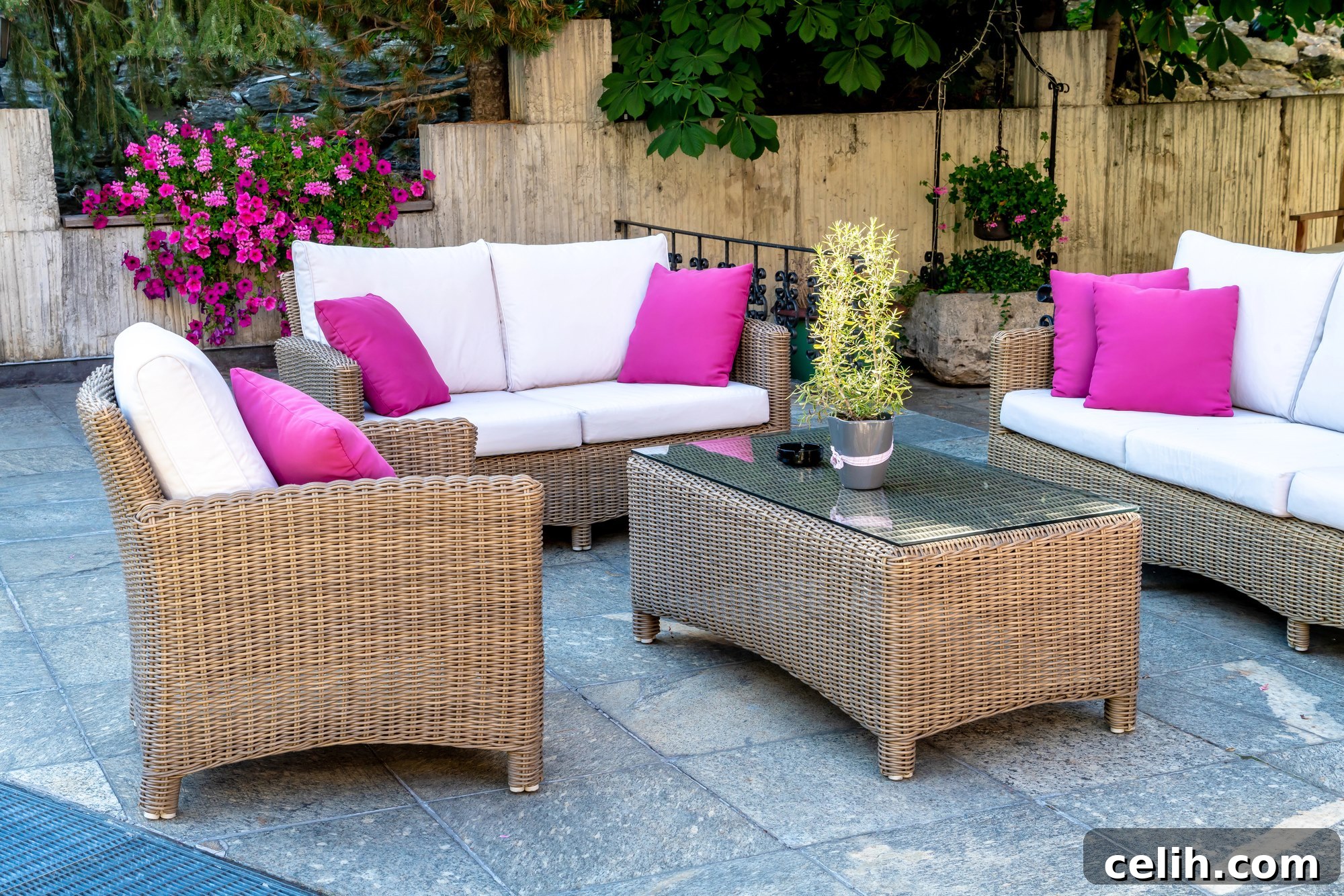
There’s an undeniable magic to entertaining outdoors. When the weather is just right – a gentle breeze, a warm sun – our gardens, patios, and balconies transform into inviting extensions of our homes. Whether you’re envisioning a vibrant backyard barbecue, a serene coffee morning, a lively family brunch, or an intimate dinner under the stars, the foundation of a successful outdoor gathering often lies in a single, crucial element: the outdoor table. More than just a surface, it’s the heart of your outdoor living space, a place where memories are made and shared. Choosing the right outdoor table, however, involves more than just picking a pretty piece; it requires a thoughtful balance of aesthetics, durability, and practical functionality. This comprehensive guide will walk you through the essential considerations, helping you select an outdoor table that not only complements your style but also withstands the elements and serves your entertaining needs for years to come.
1. Understanding Your Outdoor Space and Its Potential
Before you embark on the exciting journey of selecting an outdoor table, the first and most critical step is to thoroughly assess your available outdoor space. This isn’t just about measurement; it’s about understanding the environment, the flow, and the potential of your patio, deck, or garden area. Begin by taking precise measurements of the area where you intend to place the table. Consider the overall dimensions, the layout, and any existing architectural features or landscaping elements that might influence your choice.
Are you working with a sprawling backyard that can accommodate a grand dining set, a compact balcony requiring a space-saving solution, or a moderately sized patio perfect for a versatile bistro table? Understanding these constraints and opportunities will immediately narrow down your options for table size and shape. Remember to account for adequate clearance around the table for chairs to be pulled out comfortably and for people to move freely without obstruction. A general rule of thumb is to allow at least 60-75cm of space behind each chair from the edge of the table.
Beyond the physical dimensions, think about the overall layout of your outdoor area. Does it integrate with other zones, such as a lounging area, a pool deck, or a cooking station? The table should fit seamlessly into this ecosystem, enhancing the flow and functionality of your entire outdoor oasis. Consider elements like sunlight exposure throughout the day – will your table be in direct sun, necessitating an umbrella hole or a shade-tolerant material? Or will it be nestled in a shaded nook, offering more flexibility in material choice?
Finally, observe your existing outdoor décor. Do you have a modern aesthetic with clean lines, or a more rustic, bohemian, or traditional style? Your new outdoor table should either complement these existing elements or serve as a statement piece that defines a new direction for your outdoor design.
2. Material Matters: Durability, Aesthetics, and Maintenance
The material of your outdoor table is perhaps the most critical decision, impacting its durability, aesthetic appeal, and the level of maintenance it will require. With a diverse range of options available, understanding the unique characteristics of each will help you make an informed choice that suits your lifestyle and climate.
a. Wood: Classic Charm and Natural Beauty
Wood outdoor tables offer a timeless appeal and natural warmth that can make any outdoor space feel more inviting. They blend beautifully with natural landscapes and come in various finishes, from rustic to refined.
- Benefits: Natural beauty, strong and durable, develops a beautiful patina over time (especially teak), wide range of styles and finishes.
- Types of Wood:
- Teak: Highly prized for its exceptional durability and natural resistance to rot, pests, and weather thanks to its high oil content. It requires minimal maintenance and develops a silvery-grey patina if left untreated.
- Eucalyptus: A more budget-friendly hardwood with similar density and durability to teak, though it requires more regular oiling to maintain its rich color and protect against the elements.
- Acacia: Another durable and attractive hardwood, known for its rich grain and versatility. Like eucalyptus, it benefits from regular oiling and sealing.
- Cedar: Lightweight and naturally resistant to insects and rot, cedar is a good choice for a more rustic look. It weathers to a soft grey.
- Considerations: Requires regular maintenance (sealing, staining, or oiling) to preserve its color and protect against moisture and UV damage. If neglected, wood can crack, warp, or rot. Heavier hardwoods can be difficult to move.
b. Metal: Modern Elegance and Robust Durability
Metal tables are celebrated for their strength, sleek lines, and modern aesthetic. They are often a top choice for contemporary outdoor spaces due to their resilience and low-maintenance profile.
- Benefits: Highly durable and weather-resistant, offers a modern and sleek design, often lightweight (aluminum), resistant to pests and rot.
- Types of Metal:
- Aluminum: Extremely lightweight, rust-resistant, and ideal for coastal areas. Often powder-coated for added protection and color. Easy to move and rearrange.
- Steel: Stronger and heavier than aluminum, often used for robust, industrial-style pieces. Stainless steel is highly rust-resistant, while regular steel needs protective coatings to prevent rust.
- Wrought Iron: Known for its classic, ornate designs and substantial weight. Wrought iron is incredibly sturdy but susceptible to rust if its protective coating is compromised. It requires regular painting or touch-ups.
- Considerations: Can retain heat in direct sunlight (especially darker colors), may scratch or chip, wrought iron and steel are prone to rust if not treated or coated properly.
c. Wicker/Rattan: Lightweight Comfort and Coastal Charm
Wicker and rattan tables bring a relaxed, inviting atmosphere to any outdoor setting, often associated with coastal or bohemian styles. They are popular for their intricate weaves and comfortable feel.
- Benefits: Lightweight and easy to move, adds a touch of natural or coastal charm, comfortable and inviting appearance, low maintenance for synthetic options.
- Types:
- Natural Rattan/Wicker: Made from natural plant fibers, offering authentic beauty. It is generally not suitable for direct, prolonged outdoor exposure as it can dry out, become brittle, or grow mildew in damp conditions. Best for covered patios or sunrooms.
- Synthetic Wicker (PE Rattan): Made from polyethylene (PE) resin, designed to mimic natural wicker. It is highly durable, UV-resistant, moisture-resistant, and can withstand various weather conditions without fading, cracking, or mildewing. This is the most common and practical choice for outdoor use.
- Considerations: Natural wicker requires protection from harsh weather and can fade or unravel over time. Synthetic wicker is more durable but can still become brittle over many years of intense sun exposure.
d. Concrete: Industrial Chic and Enduring Strength
Concrete tables are a contemporary choice, offering an industrial aesthetic and impressive longevity. Their substantial presence makes them a focal point in any modern outdoor space.
- Benefits: Extremely sturdy and long-lasting, contemporary and industrial aesthetic, highly weather-resistant, heat-resistant surface, unique variations in finish.
- Considerations: Very heavy and not easily portable, can develop cracks or chips over time (especially with temperature fluctuations), porous nature means it needs to be sealed to prevent stains. Sealing may need to be reapplied periodically.
e. Other Notable Materials:
- Glass: Often used as a tabletop for metal or wicker bases. Offers a sleek, modern look and is easy to clean. However, it can show fingerprints, scratch, and is susceptible to breaking. Tempered glass is essential for safety.
- Stone (Granite, Marble, Travertine): Luxurious and extremely durable, offering a high-end aesthetic. Very heavy and expensive, and some stones are porous and require sealing to prevent staining.
- High-Density Polyethylene (HDPE) / Resin: Affordable, lightweight, and extremely low maintenance. Resistant to fading, rust, and mildew. Often mimics the look of wood or wicker, but can sometimes have a less premium feel.
3. Finding the Perfect Style: Beyond Functionality
Just as with indoor furnishings, outdoor tables come in an expansive array of styles, allowing you to express your personal taste and seamlessly integrate with your home’s architecture and existing decor. The style of your outdoor table contributes significantly to the overall ambiance of your space, setting the tone for every gathering.
- Overall Theme: Ensure that the style of the table aligns with the overarching theme of your outdoor space. Are you aiming for a relaxed resort feel, a sophisticated urban retreat, a charming rustic garden, or a vibrant bohemian lounge? The table should reinforce this vision.
- Comfort and Experience: Opt for a table style that naturally promotes comfort and relaxation. Smooth edges, appropriate height, and ample legroom all contribute to a pleasant dining or lounging experience, encouraging guests to linger longer and enjoy the setting.
- Versatility: Choose a versatile style that can effortlessly transition between different seasons, occasions, and even moods. A classic design, for instance, can be dressed up with elegant place settings for a formal dinner or kept casual for an impromptu afternoon tea.
Consider these popular styles to guide your selection:
- Modern & Minimalist: Characterized by clean lines, geometric shapes, and often neutral colors. Materials like aluminum, concrete, and stainless steel are common. This style emphasizes simplicity and functionality, creating a sophisticated and uncluttered look.
- Rustic & Farmhouse: Embraces natural textures, distressed finishes, and sturdy, often oversized forms. Reclaimed wood, natural teak, and elements of wrought iron are frequently seen. This style evokes a warm, inviting, and down-to-earth feel.
- Bohemian & Coastal: Often features natural materials like wicker, rattan, light woods, and woven textures. Designs are typically more relaxed, organic, and perhaps a bit eclectic. It’s about creating a laid-back, free-spirited, and airy atmosphere.
- Traditional & Classic: Inspired by timeless designs, often featuring more ornate details, curves, and elegant silhouettes. Wrought iron with intricate scrollwork, or dark, rich woods often define this luxurious and enduring style.
- Industrial: Bold and raw, this style uses materials like steel, concrete, and sometimes distressed wood. It often showcases exposed hardware and a utilitarian aesthetic, perfect for urban or loft-style outdoor spaces.
Beyond the primary style, think about the color palette. Does a bold, vibrant color suit your personality, or do you prefer the understated elegance of natural tones and muted shades? The table’s color can significantly impact the visual temperature and mood of your outdoor area. Ultimately, the perfect style is one that resonates with you, enhances your outdoor environment, and invites joyous moments.
4. Embracing Multi-Functional Designs for Enhanced Utility
In modern outdoor living, maximizing utility without sacrificing style is a key trend. Multi-functional outdoor tables are ingenious solutions, especially for smaller spaces or for those who love to entertain with innovative flair. These designs go beyond simply serving as a surface, offering integrated features that enhance convenience, comfort, and ambiance in your outdoor haven. Incorporating these innovative designs into your space can transform your entertaining experience.
a. Dining Tables with Built-in Coolers
Imagine hosting a summer gathering where ice-cold beverages are always within arm’s reach, directly from the center of your dining table. Tables with built-in coolers are designed for ultimate convenience.
- Key Benefits: Keep beverages chilled and easily accessible throughout outdoor gatherings, eliminating the need for bulky, separate coolers or ice buckets that take up valuable floor space. This integrated design maintains a clean aesthetic and ensures drinks are always ready for guests.
- Design Variations: Some tables feature a removable ice bucket or trough that can be easily cleaned and refilled, while others have a more permanent, insulated compartment with drainage. Many come with a lid to convert the cooler area back into a flat tabletop when not in use.
b. Fire Pit Tables
For those who enjoy extending their outdoor evenings well into the cooler months or simply love the captivating glow of a flame, fire pit tables are an indispensable addition. They serve as a social hub and a source of comfort.
- Key Benefits: Provides warmth and a mesmerizing ambiance for chilly evenings, creating a cozy and intimate atmosphere. They double as a gathering spot for roasting marshmallows, sharing stories, or simply relaxing with the hypnotic flicker of flames.
- Fuel Types: Available in various fuel options, including propane (which often cleverly conceals the tank within the table’s base), natural gas (for a more permanent setup), and wood-burning designs (offering the crackle and aroma of a traditional campfire).
- Safety: Modern fire pit tables are designed with safety in mind, featuring protective barriers and clear instructions for use.
c. Convertible Coffee/Dining Tables
Ideal for smaller outdoor spaces or for those who desire maximum flexibility, convertible tables cleverly adapt to different functions throughout the day or for various occasions.
- Key Benefits: Perfect for small spaces where versatility is key. These tables can easily transition from a low coffee table for casual lounging and drinks to a standard-height dining table for entertaining guests.
- Mechanisms: Conversion mechanisms vary, from simple lift-top designs to more intricate hydraulic systems. Some may extend in length as well, accommodating more people.
d. Tables with Integrated Storage
Some tables incorporate discreet storage compartments beneath the tabletop or within the base, perfect for stowing away outdoor cushions, small garden tools, or extra blankets. This helps keep your outdoor space tidy and organized.
e. Extendable Dining Tables
For those who love to host but don’t always need a massive table, extendable dining tables are an excellent choice. They feature leaves that can be added or removed, allowing you to adjust the table’s size to accommodate varying numbers of guests, making them incredibly versatile for both everyday use and larger gatherings.
5. Practical Considerations for Long-Term Enjoyment
Beyond aesthetics and innovative features, the longevity and usability of your outdoor table depend heavily on a few practical considerations. Thinking through these aspects before purchasing will save you time, effort, and money in the long run, ensuring your investment remains a source of joy rather than a chore.
- Weather Resistance: This is paramount for any outdoor furniture. Choose materials and finishes that are specifically designed to withstand the full spectrum of outdoor elements, including intense UV rays (to prevent fading and degradation), heavy rain (to prevent rot and rust), high humidity (to prevent mildew), and strong winds (for stability). Look for terms like “UV-stabilized,” “powder-coated,” “rust-resistant,” and “all-weather.”
- Maintenance Requirements: Your lifestyle should dictate the level of maintenance you’re willing to undertake. Opt for low-maintenance options if you prefer spending more time enjoying your outdoor space than cleaning or treating your furniture. While some materials, like high-quality synthetic wicker or aluminum, require little more than occasional washing, natural wood might need regular oiling or sealing, and certain metals may need rust-proofing touch-ups.
- Ease of Storage: Consider how easily the table can be stored during inclement weather or during off-seasons. If you live in an area with harsh winters or extreme weather conditions, a foldable or easily disassembled table might be preferable. If permanent outdoor placement is desired, investing in durable, custom-fit covers is essential to protect the table from the elements and prolong its lifespan.
- Seating Capacity: Accurately assess the number of guests you typically entertain. A table that’s too small will feel cramped, while one that’s too large can overwhelm a space or feel sparse during smaller gatherings. As a general guide, allow approximately 60-75cm of table length or circumference per person.
- Square tables: Best for smaller, intimate gatherings, seating 2-4 people efficiently.
- Round tables: Create a cozy, inclusive atmosphere, allowing for easy conversation, often seating 4-6.
- Rectangular tables: Most common, offering ample space for larger groups, typically seating 6-10 or more depending on length.
- Oval tables: Combine the spaciousness of a rectangular table with the softer edges of a round one, promoting flow.
- Durability and Longevity: Invest in quality construction. A well-made table, even if slightly more expensive upfront, will provide years of enjoyment and stand up to frequent use and environmental stresses. Check for sturdy joints, robust fasteners, and reputable brands that offer warranties.
- Safety Features: Ensure the table is stable and sturdy, especially if you have children or pets. Check for sharp edges, secure bases (particularly for taller tables), and materials that won’t easily tip or break.
6. Budget-Friendly Options for Every Outdoor Space
Creating a stylish and functional outdoor entertaining space doesn’t necessarily require a hefty budget. With a bit of creativity, resourcefulness, and smart shopping, you can find or craft the perfect outdoor table without breaking the bank. Here are some excellent budget-friendly outdoor table options to consider:
- DIY Projects: Craft Your Own Unique Piece
Embrace your inner crafter and repurpose readily available materials to create a unique, personalized outdoor table. Pallets are a popular choice for rustic coffee or dining tables, easily transformed with some sanding, painting, and a protective sealant. Old wooden cable spools can make fantastic round tables. Even concrete blocks and sturdy planks can be assembled into a robust, industrial-style table. Not only is this cost-effective, but it also allows for complete customization to fit your exact style and space requirements.
- Secondhand Finds: Hidden Gems Await
The secondhand market is a treasure trove for outdoor furniture. Explore thrift stores, consignment shops, online marketplaces (like Facebook Marketplace or Gumtree), garage sales, and even estate sales for gently used outdoor tables at a fraction of their original cost. Be sure to inspect items carefully for structural integrity, rust, cracks, or significant damage before purchasing. Often, a good cleaning, a fresh coat of paint, or a new sealant can revive an old table and give it a new lease on life, transforming it into a stylish centerpiece for your outdoor area.
- Affordable Materials: Smart Choices for Savings
Opt for outdoor tables made from budget-friendly materials that offer good durability and style without the premium price tag of high-end hardwoods or elaborate metalwork.
- Plastic/Resin: Modern plastic or resin tables are lightweight, waterproof, UV-resistant, and come in a wide range of colors and designs. They are virtually maintenance-free and highly affordable, making them excellent for casual outdoor dining or additional serving space.
- Aluminum: While aluminum can be more expensive than plastic, it’s generally more affordable than wrought iron or high-grade wood. It’s lightweight, rust-resistant, and comes in many contemporary styles. Look for powder-coated aluminum for added durability and aesthetic appeal.
- Mixed Materials: Many affordable tables combine materials, such as a metal frame with a glass or composite tabletop, offering a stylish look at a lower price point.
- Shop Sales and End-of-Season Clearances:
Timing your purchase can lead to significant savings. Keep an eye out for seasonal sales, holiday promotions, and end-of-season clearances (often in late summer or early autumn) when retailers are making way for new inventory. You can often find high-quality tables at deeply discounted prices.
Frequently Asked Questions (FAQs)
Q: Can I leave my outdoor table outside all year round?
A: While many outdoor tables are designed with weather-resistant materials, leaving them exposed to harsh elements year-round can significantly shorten their lifespan. It’s generally recommended to protect your outdoor table during extreme weather conditions (heavy snow, prolonged rain, intense sun, or strong winds) or during long periods of non-use. Consider investing in high-quality, waterproof outdoor furniture covers that fit snugly. For materials like wood, prolonged exposure to moisture and UV rays can lead to cracking, warping, or fading. Metal tables, even rust-resistant ones, can benefit from protection against continuous moisture. If you live in an area with particularly severe winters, storing your table in a shed, garage, or covered area is ideal.
Q: How do I clean and maintain my outdoor table?
A: The cleaning and maintenance requirements depend heavily on the material:
- Wood: Regular cleaning with mild soap and water (or a specialized wood cleaner) helps remove dirt. Periodic oiling (for hardwoods like teak or eucalyptus) or sealing/staining (for other woods) is crucial to protect against moisture and UV damage. Always follow the manufacturer’s recommendations for specific wood types.
- Metal (Aluminum, Steel, Wrought Iron): Clean with a soft cloth, mild detergent, and water. Rinse thoroughly. For steel and wrought iron, check for any scratches or chips in the protective coating and touch them up with rust-inhibiting paint to prevent rust formation. Aluminum is largely rust-proof and requires minimal effort.
- Wicker/Rattan (Synthetic): Can be easily cleaned with a soft brush or cloth, mild soap, and water. For natural rattan, avoid excessive moisture and clean with a damp cloth, drying immediately.
- Concrete: Clean with mild soap and water. Concrete tables should be sealed upon installation and periodically thereafter (every 1-3 years, depending on exposure) to prevent staining and enhance durability.
- Glass: Wipe with a glass cleaner and a soft cloth to remove smudges and dirt.
Always avoid abrasive cleaners or tools that could damage the table’s surface.
Q: What is the best way to protect my outdoor table from sun damage?
A: UV radiation is a significant cause of fading, cracking, and material degradation for outdoor furniture. Here are the best ways to protect your table:
- Shade: Place your table in a shaded area, such as under a pergola, a large patio umbrella, or beneath a tree.
- UV-Resistant Materials: When purchasing, prioritize materials that are inherently UV-resistant, like synthetic wicker (PE rattan), certain types of plastics/resins, and metals with UV-stable powder coatings.
- Protective Coatings: For wood tables, regularly apply UV-inhibiting sealants or oils. Some metal tables may also benefit from a UV-protective clear coat.
- Covers: Use UV-resistant outdoor furniture covers when the table is not in use, especially during peak sun hours or extended periods.
- Regular Maintenance: Keeping your table clean and applying recommended treatments will help its surfaces resist sun damage more effectively.
Q: How much space do I need around an outdoor dining table?
A: To ensure comfortable dining and ease of movement, it’s recommended to have at least 60-75cm (24-30 inches) of clear space behind each chair from the edge of the table. This allows enough room for guests to pull out their chairs and sit down without bumping into walls, railings, or other furniture. If there’s a walkway behind the dining area, aim for at least 90-100cm (36-40 inches) of clearance to allow people to pass by comfortably.
Q: What shape of outdoor table is best for small spaces?
A: For small outdoor spaces like balconies or compact patios, round or square tables are generally the most efficient and practical choices.
- Round Tables: Their lack of sharp corners makes them easy to navigate around, promoting a more fluid flow in tight areas. They also foster intimacy and easy conversation.
- Square Tables: Can be pushed against a wall to save space when not in use, and they offer a practical surface for two to four people.
Bistro tables (small round or square tables for two) are particularly good for very confined areas.
Q: Are outdoor tables heavy to move?
A: The weight of an outdoor table varies significantly depending on its material.
- Lightweight: Tables made from aluminum, synthetic wicker, and some types of plastic/resin are generally very light and easy to move or rearrange.
- Medium Weight: Wood tables (especially hardwoods like teak or eucalyptus) can be moderately heavy.
- Heavy: Concrete, wrought iron, and stone-top tables are typically very heavy and can be challenging to move. These are best suited for permanent placements.
If portability is a concern, always check the product specifications for weight or opt for lighter materials. Some heavier tables may have adjustable glides or wheels for easier repositioning.
Conclusion: The Heart of Your Outdoor Haven
As you embark on your journey to create the ultimate outdoor entertaining space, remember that the choice of your outdoor table is more than a mere purchase; it’s an investment in lifestyle and lasting memories. The perfect outdoor table is not only a testament to robust functionality and enduring quality but also a vibrant reflection of your personal style and preferred way of living. By meticulously considering key factors such as the dimensions and layout of your space, the inherent characteristics and maintenance needs of various materials, the aesthetic appeal of different styles, and the practical benefits of multi-functional designs, you empower yourself to make a truly informed decision.
The right outdoor table seamlessly blends form and function, becoming the magnetic centerpiece of your outdoor oasis. It’s where morning coffees are savored, laughter echoes during festive brunches, and intimate dinners unfold under the twilight sky. It’s a gathering point, a focal point, and a place where life’s simple pleasures are amplified by the fresh air and natural surroundings. So, whether you envision lavish dinner parties or quiet moments of contemplation, let your chosen outdoor table be the foundation upon which countless unforgettable moments are built for years to come.