
Elevate Your Outdoor Space: The Appeal of Modern Bird Feeders for Contemporary Gardens
In an increasingly urbanized world, the desire to connect with nature remains strong. For many homeowners, the garden serves as a vital green lung, a space for relaxation, contemplation, and a crucial refuge for local wildlife. Integrating modern design principles with ecological responsibility, contemporary bird feeders offer a perfect solution, allowing you to create a stylish focal point while providing essential sustenance for your feathered friends.
Gone are the days when bird feeders were solely utilitarian. Today’s market boasts a stunning array of designs that function not just as feeding stations but as artistic statements, seamlessly blending with sleek architectural lines and minimalist garden aesthetics. These feeders transform your outdoor area into a dynamic habitat, attracting a vibrant diversity of birds and enriching your daily life with their songs and movements.
Bringing Nature Home: Why Modern Bird Feeders Are Essential
The act of feeding birds is far more than a simple gesture; it’s a profound way to support biodiversity, especially in city environments where natural food sources can be scarce. Modern bird feeders play a critical role in supplementing the diets of various bird species, helping them thrive through harsh winters and demanding breeding seasons. By providing a consistent food source, you contribute directly to the health and survival of local bird populations, turning your garden into a vital sanctuary.
Beyond the ecological benefits, a bird feeder offers immense personal rewards. It creates an engaging spectacle right outside your window, providing endless opportunities for birdwatching. Observing the delicate dance of sparrows, the quick movements of finches, or the cheerful chirps of robins can be incredibly therapeutic, reducing stress and fostering a deeper appreciation for the natural world. It’s an accessible form of wildlife engagement that can be enjoyed by people of all ages, making it a wonderful educational tool for families.
More Than Just Food: The Multifaceted Benefits of a Stylish Bird Feeder
Aesthetic Appeal and Garden Integration
Modern bird feeders are designed to be visually appealing, moving away from rustic or traditional designs to embrace clean lines, geometric shapes, and sophisticated materials. Materials such as powder-coated metal, durable recycled plastics, glass, and even sustainable wood are common, ensuring longevity and a sleek finish. These feeders are not just accessories; they are integral components of your garden’s design scheme. They can complement existing garden sculptures, water features, or contemporary outdoor furniture, enhancing the overall ambiance and making your garden feel more curated and intentional.
Placing a stylish bird feeder strategically can draw the eye, creating a focal point in a sparse area or adding a touch of vibrant color to a monochromatic landscape. Whether suspended from a sleek stand, mounted on a wall, or freestanding, a well-chosen feeder can elevate the visual interest of your patio, balcony, or garden nook.
Supporting Local Wildlife
For small garden birds like sparrows, wrens, robins, finches, and tits, urban environments present unique challenges. Loss of habitat, limited nesting sites, and a scarcity of natural food sources make supplemental feeding crucial. A well-stocked bird feeder provides a reliable source of energy-rich food, helping these birds maintain their health and support their young.
Different birds prefer different foods, and modern feeders often cater to this diversity. By offering a variety of seeds, nuts, suet, and even mealworms, you can attract a wider array of species, turning your garden into a bustling hub of avian activity. This active ecosystem contributes to the local biodiversity and can even help with natural pest control in your garden.
Educational and Therapeutic Value
Bird feeders offer a fantastic educational opportunity for children and adults alike. They provide a close-up view of bird behavior, allowing observation of their feeding habits, social interactions, and unique characteristics. This direct engagement with wildlife can foster a sense of responsibility and curiosity about the natural world.
For many, the simple act of watching birds can be incredibly calming and meditative. The gentle chirping and fluttering movements create a peaceful atmosphere, providing a much-needed escape from the daily grind. It’s a low-effort way to bring dynamic life and serenity into your immediate surroundings, promoting mental well-being and a stronger connection to nature.
Choosing the Perfect Modern Bird Feeder: A Buyer’s Guide
When selecting a contemporary bird feeder, several factors come into play. It’s not just about aesthetics, but also functionality, durability, and most importantly, bird safety and health.
Design and Material Considerations
Modern feeders prioritize clean lines and often incorporate geometric forms. Look for feeders made from materials that are weather-resistant and easy to clean. Stainless steel, recycled plastics, and durable acrylics are excellent choices that withstand the elements and maintain their pristine appearance over time. Consider how the feeder’s color and texture will integrate with your existing garden features. Some feeders come in vibrant, playful colors, while others opt for understated, neutral tones that blend seamlessly.
Functionality and Bird Safety
A good bird feeder is designed with the birds’ well-being in mind. Look for features such as:
- Easy Access for Small Birds: Openings and perches should be appropriately sized for smaller garden birds, deterring larger birds or squirrels.
- Drainage: Ensure the feeder has proper drainage holes to prevent water accumulation, which can spoil food and harbor bacteria.
- Secure Perches: Perches should be sturdy and provide a comfortable grip for birds.
- Predator Protection: While no feeder is 100% predator-proof, some designs offer features that make it harder for squirrels or larger birds to access the food. Proper placement (away from jumping-off points) is also key.
Ease of Maintenance
This is perhaps the most critical, yet often overlooked, aspect. A clean feeder is a healthy feeder. Choose a design that can be easily disassembled for thorough cleaning. Feeders with smooth surfaces and minimal crevices are generally easier to sanitize, preventing the buildup of mold, bacteria, and old food that can harm birds.
Capacity and Food Versatility
Consider the types of food you wish to offer and how much you want the feeder to hold. Some feeders are designed for specific food types (e.g., tube feeders for seeds, suet cages), while others are multi-functional. A versatile feeder allows you to offer a variety of foods, attracting a broader range of birds and ensuring they receive a balanced diet. Look for models that can accommodate multiple food types simultaneously, such as seeds, nuts, suet balls, or even mealworms.
Discovering Innovation: The Flock Follies Bird Feeder Example
Among the innovative designs that perfectly encapsulate the spirit of modern bird feeding is the Flock Follies bird feeder. This particular model stands out as a prime example of how contemporary aesthetics can merge seamlessly with practical, bird-friendly functionality. If you’re keen to look after your feathered friends with both style and substance, this feeder offers an exceptional way of doing so.
Design and Practicality
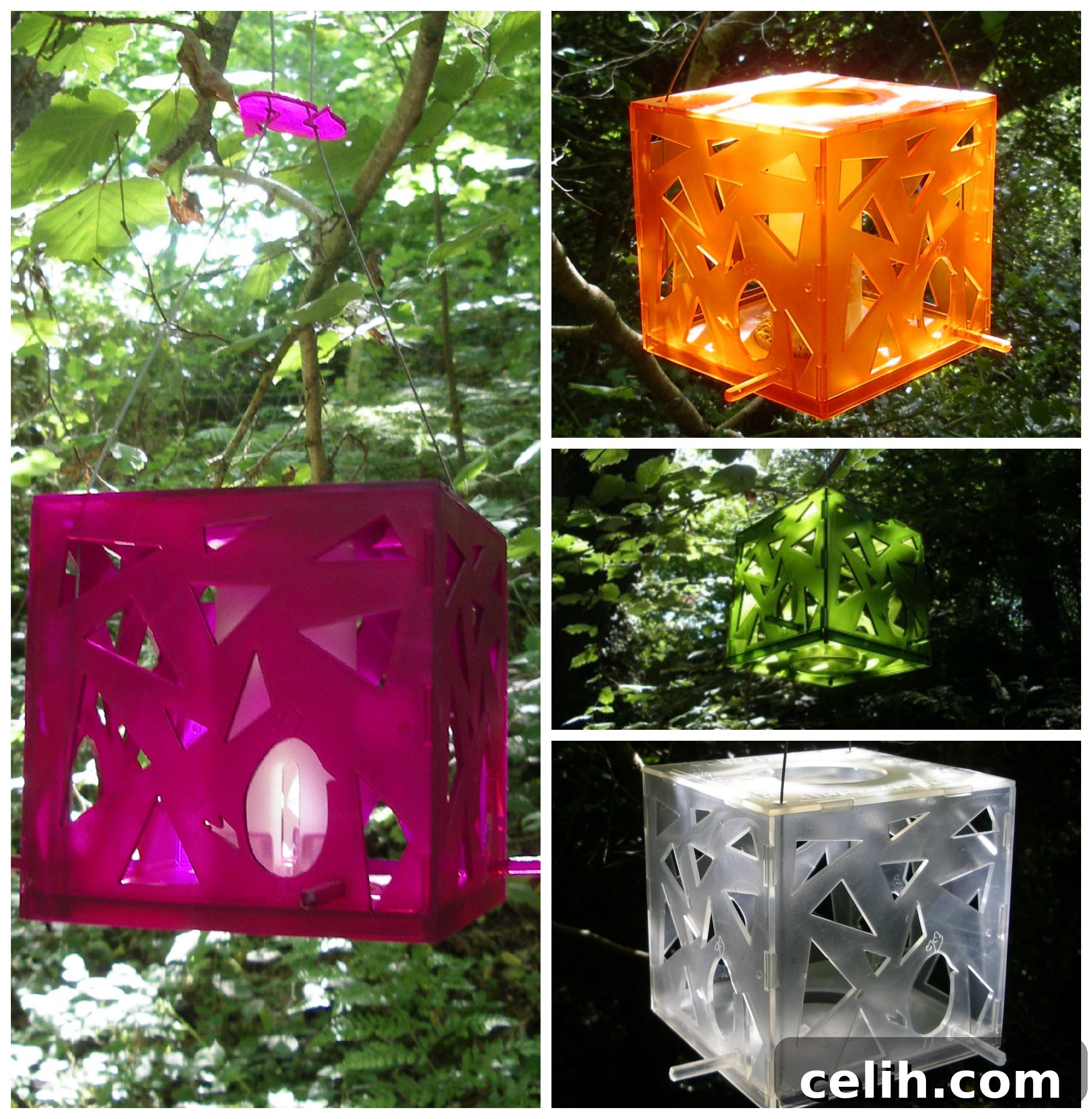
The Flock Follies feeder features a sturdy plastic cube design, a hallmark of modern minimalism. Its clean, geometric lines make it an attractive addition to any contemporary urban garden, balcony, or patio. This thoughtful design is specifically aimed at feeding small garden birds, such as the ever-popular sparrows, wrens, robins, finches, and various tit species, ensuring they can access food safely and comfortably. Safety for birds has clearly been a priority in its conception, with smooth edges and appropriate openings.
Food and Drink Features
One of the most impressive aspects of the Flock Follies feeder is its versatility. It’s ingeniously designed to dispense up to five different types of bird food simultaneously. This means you can offer a varied buffet including diverse seeds, nourishing nuts, high-energy suet balls, or protein-rich mealworms, catering to the dietary needs of a wider range of avian visitors. Beyond food, the feeder also incorporates a built-in area for drinking into its lid, providing a convenient and essential water source – a feature often overlooked in many standard feeders.
Customization and Availability
Proudly made in Cornwall, UK, the Flock Follies feeder is delivered flat-packed, making home assembly straightforward and convenient. This not only simplifies shipping but also reflects a modern approach to product design and consumer experience. Customization is also a key appeal; the feeder is available in a choice of four lively colors: vibrant kiwi green, playful raspberry pink, bold mandarin orange, or a subtle clear frost. These color options allow you to select a feeder that perfectly complements your garden’s palette or adds a deliberate pop of color. Each feeder is available for £35 from Bouf and thoughtfully comes with a starter pack of sunflower seeds to get your bird feeding journey off to a great start.
Beyond the Feeder: Cultivating a Thriving Bird Sanctuary
While a modern bird feeder is an excellent starting point, creating a truly bird-friendly urban oasis involves more than just food. Think about providing a holistic environment that meets all of a bird’s basic needs: food, water, shelter, and nesting sites.
Water Sources and Shelter
A clean, fresh water source is just as vital as food. A bird bath, regularly cleaned and refilled, can attract birds for drinking and bathing. For shelter, consider planting dense shrubs, evergreen trees, or climbing vines that offer protection from predators and the elements. These plantings also provide natural nesting sites, especially if they are native species that birds are naturally accustomed to.
Plant Selection for Birds
Incorporating native plants into your garden design can significantly boost its appeal to birds. Native plants provide natural food sources like berries, seeds, and nectar, and they also attract insects which are a crucial food source for many bird species, especially during breeding season. Choose a variety of plants that offer food throughout the year.
Minimizing Threats
To ensure your garden is truly safe, minimize the use of pesticides and herbicides, which can harm birds directly or by reducing their food supply. Also, consider ways to mitigate window collisions, such as placing feeders at a safe distance from windows or applying window decals that birds can see.
Keeping Your Feeder Pristine: Essential Maintenance for Bird Health
Maintaining a clean bird feeder is paramount to the health of your avian visitors. Unsanitary feeders can spread diseases quickly through a bird population. Here are some essential maintenance tips:
- Regular Cleaning: Clean your feeder every one to two weeks, more frequently during wet weather or high bird traffic.
- Proper Cleaning Solution: Use a diluted bleach solution (one part bleach to nine parts water) or a commercial bird feeder cleaner.
- Thorough Rinsing: After cleaning, rinse the feeder thoroughly with clean water to remove all traces of cleaner. Allow it to dry completely before refilling with food.
- Remove Old Food: Regularly remove any wet, moldy, or stale food, as this can be harmful to birds.
- Clean the Surrounding Area: Sweep up dropped seeds and hulls from beneath the feeder to prevent the growth of bacteria and mold, and to deter pests.
Embracing Nature with Style: A Final Word on Modern Bird Feeders
Modern bird feeders represent a beautiful synergy between contemporary design and ecological mindfulness. They offer an opportunity to enhance the aesthetic appeal of your garden while making a tangible positive impact on local wildlife populations. By carefully selecting a feeder that is both stylish and functional, and by committing to regular maintenance, you create a vibrant, healthy, and engaging space for yourself and the birds. Embrace this blend of form and function, and watch as your outdoor space transforms into a lively sanctuary, bringing the beauty of nature closer to home.