
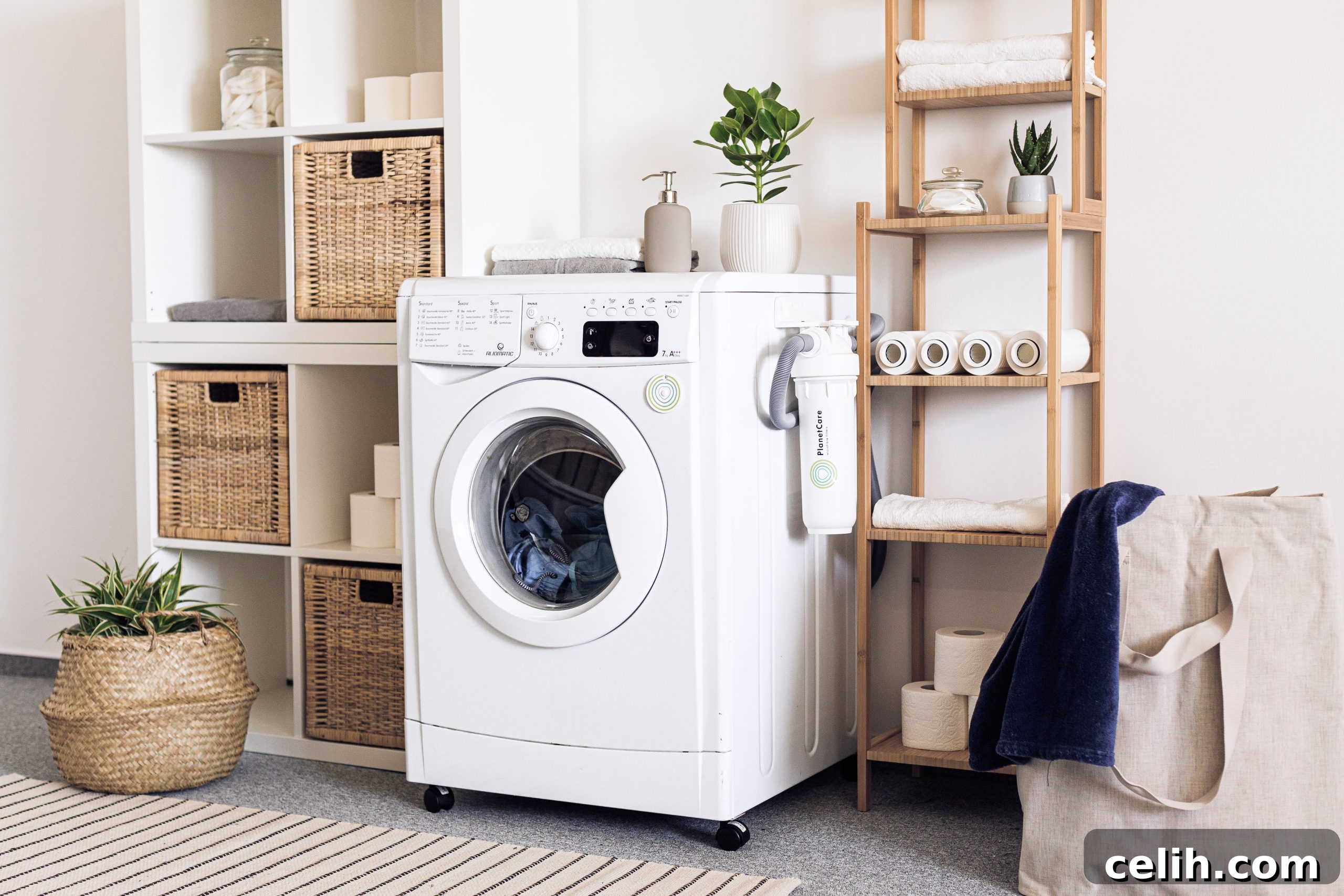
Often seen as a purely functional zone, the utility room holds immense potential to be much more than just a space for chores. It’s a powerhouse within your home, capable of handling laundry, storing cleaning essentials, organizing outdoor gear, and even serving as a dedicated area for pets. The good news is that practicality doesn’t have to come at the expense of style. With thoughtful planning and clever design choices, you can transform this hardworking area into a beautifully organized, highly efficient, and aesthetically pleasing extension of your living space. This comprehensive guide will walk you through essential tips and innovative ideas to create a utility room design that is both stylish and supremely functional, perfectly tailored to your lifestyle and home.
Maximize Space with Ample, Smart Storage Solutions
A utility room’s primary function often revolves around organization, making storage paramount. It’s far more than just a home for your washing machine and dryer; it’s a vital space for managing household clutter and keeping daily operations smooth. Therefore, installing ample shelving units is one of the most effective ways to maximize every inch of available space, particularly in smaller rooms where vertical storage is key.
Consider a thoughtful mix of open and closed storage to strike the perfect balance between accessibility and a tidy appearance. Floating shelves, for instance, are excellent for utilizing vertical wall space that might otherwise go unused, offering easy access to frequently used items or opportunities for decorative displays like plants or curated cleaning caddies. For a more streamlined and minimalist look, recessed shelving units can be seamlessly integrated into alcoves and nooks, turning awkward architectural features into valuable storage assets. These hidden compartments are perfect for keeping less attractive items, such as laundry detergents or pet food, out of sight while maintaining clean lines throughout the room.
Beyond shelving, incorporating cupboards and cabinets below work surfaces provides invaluable opportunities to conceal cleaning supplies, detergents, laundry essentials, and other equipment you’d rather not have on constant display. Custom cabinetry can be designed to fit perfectly, providing a cohesive and built-in feel that enhances both functionality and aesthetic appeal. For ultimate storage capacity, consider floor-to-ceiling units. While these offer vast space, remember to include a stylish step stool or a charming wooden ladder for effortless access to higher shelves, adding both practicality and a touch of rustic elegance. Don’t forget innovative storage solutions like pull-out bins for laundry sorting, pegboards for hanging tools and supplies, and slimline cabinets for tight spaces, all contributing to an efficient and clutter-free utility room that truly works for you.
Choose Highly Durable and Easy-to-Clean Flooring
The utility room, by its very nature, is a zone prone to spills, dirt, and moisture. Whether you’re washing clothes, cleaning muddy pets after a walk, or simply storing wet coats and umbrellas, your flooring needs to be incredibly resilient and, crucially, easy to clean. This area demands materials that can withstand heavy foot traffic, water splashes, and the occasional dropped item without compromising on style or becoming a maintenance nightmare.
Vinyl floor tiles stand out as an excellent choice, marrying robust practicality with a vast array of design possibilities. Modern vinyl is not only highly water-resistant and durable but also incredibly versatile in appearance. You can effortlessly replicate sophisticated classic styles typically associated with more delicate materials, such as the intricate patterns of parquet wood floors, or the elegant look of natural stone. The distinct advantage here is superior maintenance in a utility room where moisture and frequent cleaning are a given. Unlike real wood, high-quality vinyl won’t warp or swell, and it’s far more forgiving than many natural stones when it comes to staining and impact.
Beyond vinyl, other robust options include ceramic or porcelain tiles. These are incredibly hard-wearing, impervious to water, and come in an endless variety of colors, textures, and patterns, allowing you to create anything from a sleek, contemporary look to a rustic, farmhouse aesthetic. They are particularly suitable for high-traffic areas and offer excellent longevity. Another increasingly popular option is luxury vinyl plank (LVP), which offers the realistic look and texture of wood or stone with enhanced durability and water resistance, often with click-lock installation for easier DIY.
As a leading flooring supplier aptly explains, “Flooring has the power to transform any sized space, and there is a design for every interior style. Parquet designs, for instance, celebrate geometric artistry, creating a contemporary and chic aesthetic that flows seamlessly through open-plan areas or provides an eye-catching focal point in smaller rooms.” When selecting your utility room flooring, prioritize materials that are slip-resistant, comfortable underfoot (especially if you spend a lot of time there), and align with your overall home decor. Don’t overlook the grout choice for tiled floors; a darker or epoxy grout can be significantly easier to maintain and hide dirt, ensuring your floor looks pristine for longer and requires less effort to clean.
Illuminate Your Space with Optimal Lighting
Utility rooms are frequently relegated to less prominent areas of the house or created through extensions that prioritize floor space over natural light access. This often results in a utility room feeling confined, drab, and uninviting, making chores feel even more arduous than they already are. Injecting abundant light, both natural and artificial, is crucial not only for making the space more practical, safer, and efficient to work in but also for transforming it into a more pleasant and integrated area of your home.
Where natural light is scarce, consider structural changes if possible. Adding a skylight or a solar tube can dramatically brighten a windowless room, flooding it with natural daylight and creating a profound sense of openness and freshness. If adjacent rooms have windows, “stealing” light by installing an internal window or even a partial glazing wall can allow natural light to filter through, maximizing brightness and making the utility room feel larger and more connected to the rest of the house. Opting for light-colored paint and reflective surfaces can further amplify the available light.
For artificial illumination, a multi-layered lighting strategy works best to cover all needs. Start with strong overhead ambient lighting (like flush-mount fixtures or recessed lights) to provide overall brightness, ensuring no dark corners. Supplement this with task lighting, which is essential for detailed work areas. Under-cabinet LED strip lighting is a fantastic way to illuminate work surfaces where you might be folding laundry, sorting items, or performing other tasks, creating a softer, more focused light that reduces eye strain and makes the space more enjoyable. As such, effective lighting significantly enhances practicality and comfort.
Don’t overlook accent lighting to add character and warmth. Stylish wall lights or decorative pendants can elevate the room’s aesthetic, creating a warm, inviting atmosphere without taking up valuable floor space. When choosing light fixtures, consider their IP rating for areas exposed to moisture, ensuring safety and longevity. Opt for energy-efficient LED bulbs for superior brightness, longevity, and lower running costs. The right combination of lighting will not only make your utility room highly functional but also a brighter, more welcoming part of your home where chores feel less like a burden and more like a manageable task.
Optimize Space with Stacked Appliances
For homes with limited space or those looking to maximize every square foot in their utility room, stacking appliances is an ingenious and highly effective solution. Instead of positioning your washing machine and tumble dryer side by side, which consumes significant horizontal space, stacking them vertically frees up valuable floor and counter space. This clever configuration is particularly beneficial in smaller utility rooms or where you want to incorporate additional features like a wider work surface, a dedicated utility sink, or more extensive cabinetry and shelving.
The benefits extend beyond mere space-saving. Stacking appliances can also create a more ergonomic workflow, as the dryer (typically placed on top) is at a more comfortable height for loading and unloading laundry, reducing the need for excessive bending. This approach results in a cleaner, more integrated look, especially when appliances are housed within tall units or custom-built cabinetry, creating a seamless and bespoke feel that hides unsightly pipes and wires.
To safely and securely stack your washer and dryer, you can utilize existing tall units designed for this purpose, or employ a specialized stacking kit. These kits are specifically engineered to provide stability and prevent movement or excessive vibration between the machines during operation. A crucial safety tip to remember is always to place the washing machine at the bottom. Washing machines are considerably heavier appliances, containing a concrete block to counterbalance the intense vibrations of the spin cycle. Placing them on the bottom ensures optimal stability and prevents potential hazards or damage to the units.
When planning your stacked setup, carefully consider the dimensions of your specific appliances and the available height in your utility room. Ensure there’s adequate ventilation around both units to prevent overheating and easy access for maintenance, such as cleaning lint filters. This space-saving strategy allows you to maintain full access to both essential laundry appliances while unlocking the potential for additional storage, a dedicated folding area, or even a small desk for household tasks, making your utility room truly multi-functional and efficient.
Embrace Eco-Friendly and Space-Saving Drying Solutions
While tumble dryers offer undeniable convenience, embracing traditional air-drying methods in your utility room presents a multitude of benefits, from environmental friendliness and significant cost savings to clever space optimization. Integrating a dedicated drying solution can dramatically reduce your energy consumption, extend the lifespan of your garments by being gentler on fabrics, and minimize your household’s carbon footprint.
One of the most effective and aesthetically pleasing options is a suspended clothes rack, often referred to as an “airer” or “pulley maid.” These ingenious racks are typically mounted to the ceiling and can be easily maneuvered up and down as needed using a simple pulley system. The magic lies in physics: heat naturally rises in a room, meaning that clothes suspended higher up near the ceiling will dry considerably faster and more efficiently than those on a standard floor-standing clothes horse, which often obstructs walkways and looks untidy. This system not only utilizes otherwise wasted overhead space but also accelerates the drying process naturally.
Traditional wooden drying racks, particularly those with a classic pulley system, can instantly inject a classic, farmhouse, or even industrial-chic style into your utility space. They are relatively inexpensive to purchase and install, offering a charming focal point while serving a highly practical purpose. Beyond the aesthetic appeal, they contribute to a greener household by reducing reliance on energy-intensive appliances, leading to lower utility bills.
Expanding on drying innovation, renowned kitchen designers like Humphrey Munson often recommend incorporating a dedicated drying cupboard. These specialized cupboards, sometimes gently heated or fitted with a dehumidifier, are ideal for delicate items that cannot go into a tumble dryer or for quickly drying small loads without visible clutter. Furthermore, installing a simple rail for freshly ironed clothes provides a convenient spot to hang garments, keeping them wrinkle-free and out of the way before they are put back into wardrobes. Other considerations include wall-mounted fold-out drying racks, which are perfect for smaller items or limited spaces, and even integrated heated towel rails that can double as a spot for drying delicate fabrics. Crucially, ensure good ventilation in your utility room, especially when air-drying, to prevent moisture build-up, dampness, and mold. An efficient extractor fan is a wise investment for maintaining a fresh, healthy, and odor-free environment.
Harmonizing Practicality with Exquisite Design and Personal Style
A well-designed utility room is an invaluable asset to any home, simplifying daily routines and contributing significantly to overall household efficiency and tranquility. If you are fortunate enough to have space for one, the initial and most critical step in designing a truly stunning room that flawlessly suits your lifestyle is a thorough understanding of how you intend to use the space on a daily basis. This foundational planning will guide every subsequent design decision, ensuring functionality remains at the core while aesthetic appeal flourishes, creating a space you actually enjoy spending time in.
Whether your primary need is abundant, versatile storage to keep your entire home clutter-free, a low-maintenance environment that’s effortlessly easy to keep clean and tidy, or maximizing every square inch of a smaller room to its full potential, careful planning is paramount. Before investing in specific storage solutions, decor pieces, or even the layout itself, meticulously consider ergonomic factors like comfortable worktop heights, the natural flow of movement, and easy accessibility to all appliances and supplies. Think about zones for different tasks: a laundry zone, a cleaning supplies zone, a pet care zone, or even a small craft area.
To truly elevate your utility room from purely practical to beautifully curated, pay attention to design details that reflect your personal style and seamlessly integrate with your home’s overall aesthetic. Choose a cohesive color scheme that feels fresh, inviting, and practical – perhaps light neutrals for a serene feel, or a carefully chosen pop of color for a more energetic vibe. Select durable yet attractive materials for worktops, such as laminates, compact laminates, or quartz, that can withstand heavy use and moisture while adding significant visual appeal.
Don’t shy away from incorporating decorative elements. Thoughtfully chosen hardware for cabinets and drawers can significantly impact the room’s character, from modern stainless steel to traditional brass. Add small touches like a stylish, washable rug, a few potted plants to introduce greenery, interesting artwork, or chic storage baskets and containers to introduce warmth, texture, and personality. Even a well-placed decorative mirror can enhance light and create a sense of spaciousness in a compact room. Remember, your utility room doesn’t have to be a forgotten corner; it can be a source of pride, a testament to clever design, and a highly functional space that makes daily chores a little less daunting and a lot more delightful. By blending practical necessities with beautiful decor, you create a utility room that is not only highly efficient but also a harmonious and inspiring part of your home.