
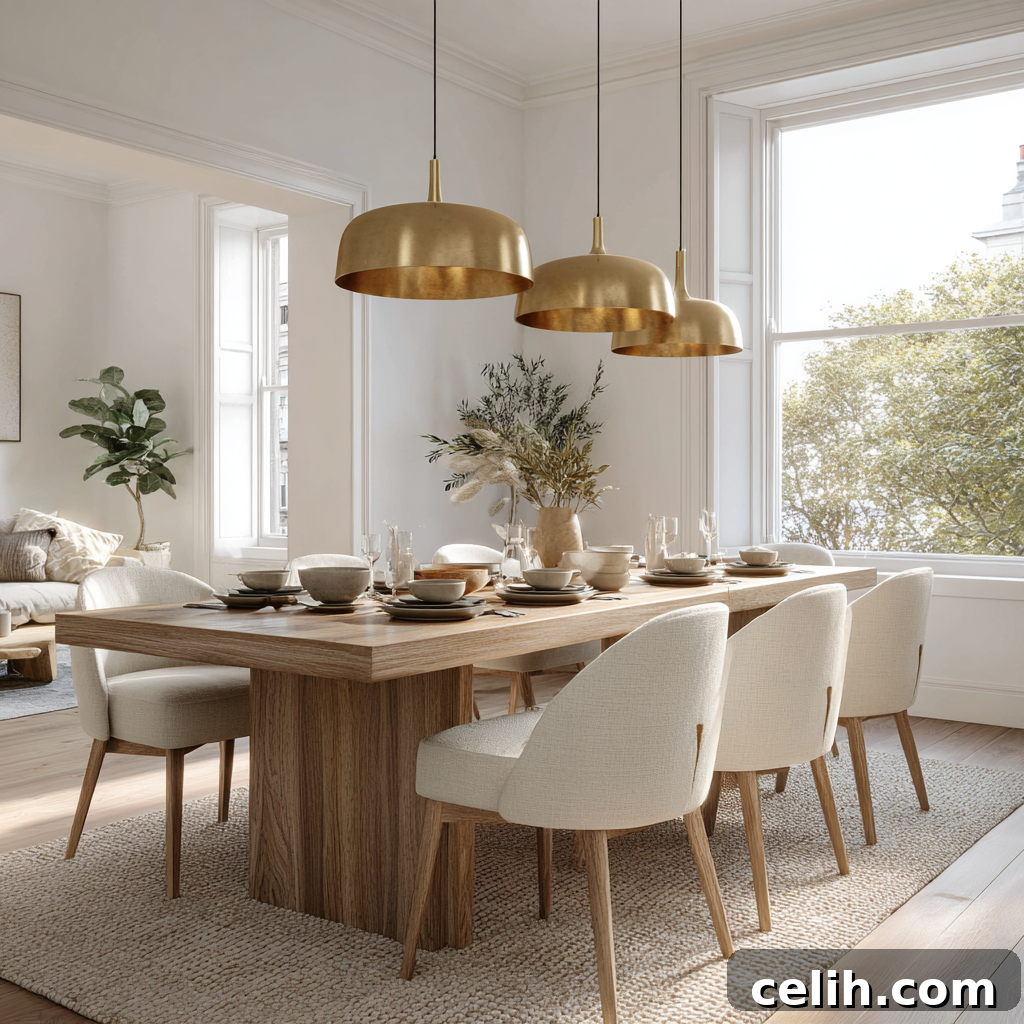
There’s something about a well-designed dining room that makes a home feel genuinely welcoming. It’s a space that serves many purposes—from everyday family meals to relaxed dinner parties—and the furniture you choose sets the tone for all of it.
Wood remains a favourite for dining rooms for good reason. It brings warmth, texture and a sense of permanence that other materials rarely match. Using wood effectively is more than choosing a wooden table; it’s about understanding how different pieces, tones and finishes work together to create a cohesive, comfortable space that reflects your style.
How to Use Wood Furniture to Create a Beautiful Dining Room
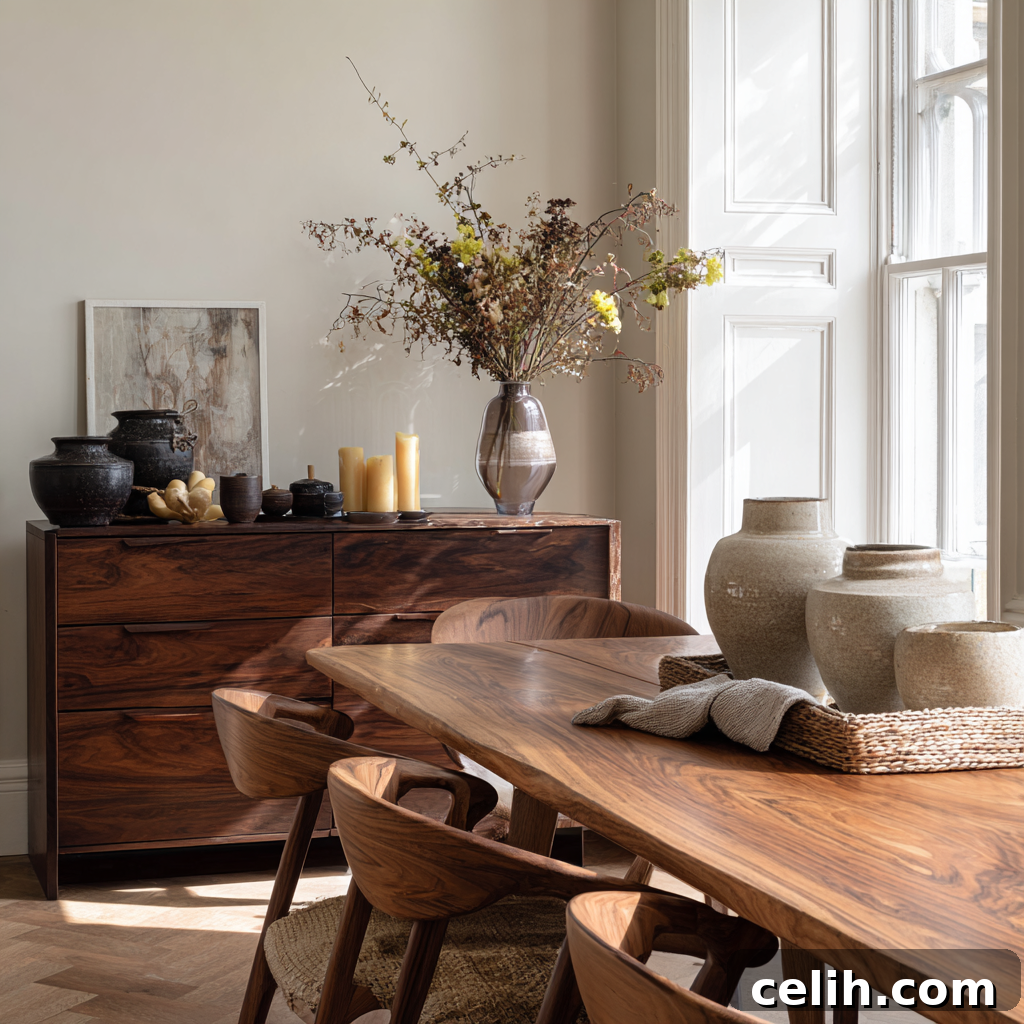
The dining room is one of the few places in the home where you want people to linger. Wood naturally creates a warm, inviting atmosphere rather than a clinical or transactional one. Its organic texture and earthy tones soften a room without making it feel heavy. Whether you prefer pale Scandi oak, rich walnut or a rustic reclaimed finish, wood adds depth in a way painted or metal furniture often can’t replicate.
Wood furniture is also exceptionally versatile. It sits comfortably across a range of styles, from contemporary open-plan kitchen-diners to more traditional, separated dining rooms. That flexibility makes wood a reliable foundation for any design.
Starting with the Dining Table
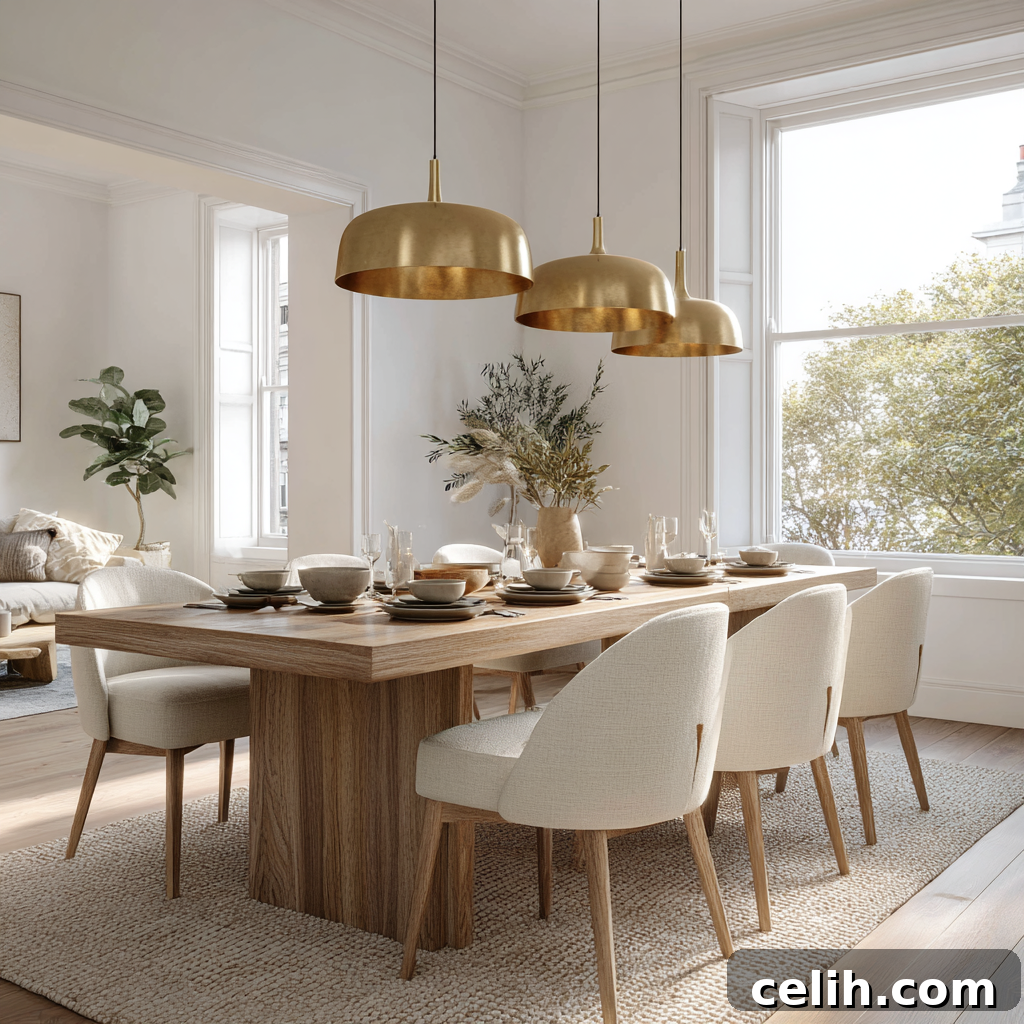
The dining table is the anchor of the room, so get this right first. A quality wooden table sets the foundation for every other element. When selecting wood species, consider both appearance and household practicality:
- Oak – Durable and widely available, oak suits almost any interior. Its grain is distinctive without overwhelming and accepts many finishes well.
- Walnut – Rich and dark with a fine grain, walnut feels slightly more premium and works beautifully in contemporary or mid-century inspired rooms.
- Pine – Lighter and more casual, pine suits farmhouse or cottage styles. It’s softer than hardwoods and will show wear, which many homeowners appreciate for its character.
- Ash – Pale and smooth with a subtle grain, ash is ideal if you want natural wood with minimal visual texture.
Shape matters too. Rectangular tables suit most layouts and larger groups, round tables promote intimacy and can be space-efficient, and oval tables offer a compromise between the two.
Mixing Wood Tones: Easier Than You Think
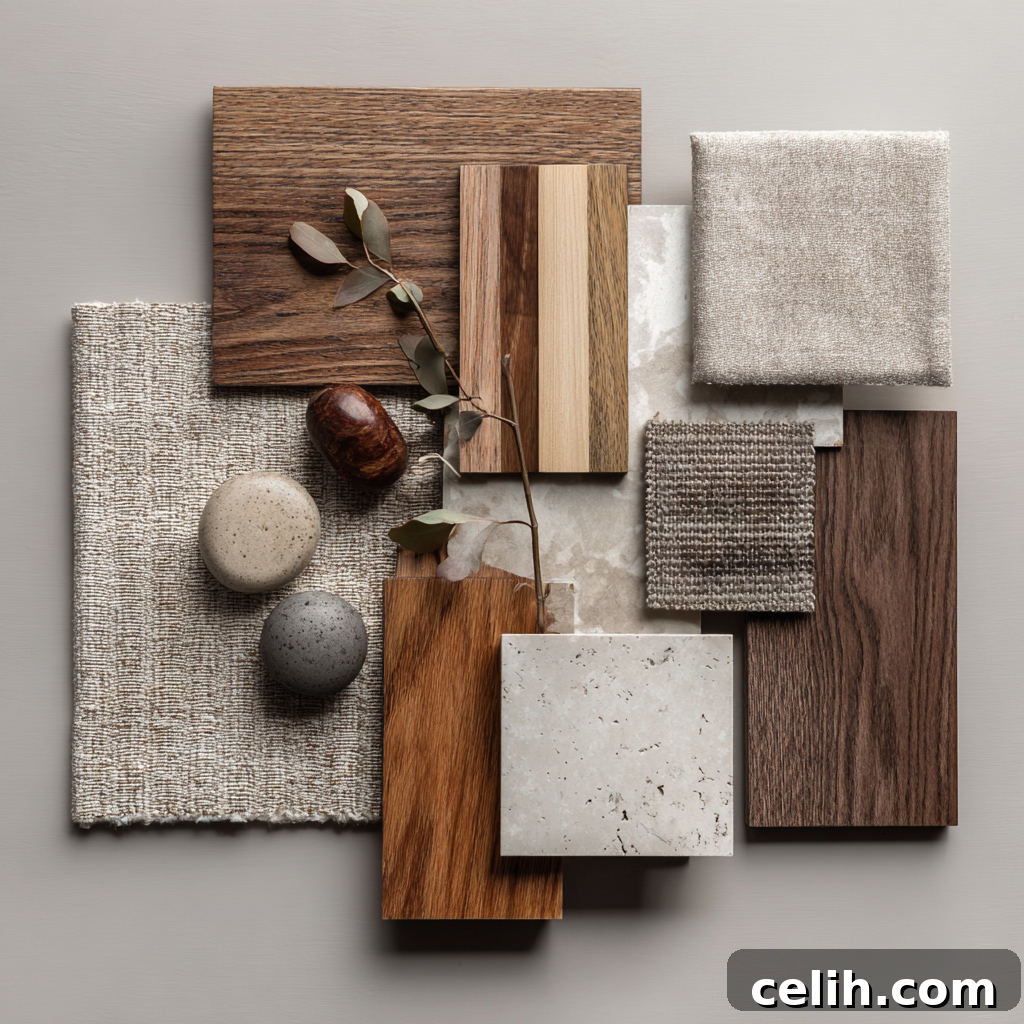
Many people worry that different wood tones will clash, but mixing woods usually looks better than attempting to match everything exactly. The trick is to create visual connections between pieces—similar underlying warmth, a shared finish type, or repeating accents elsewhere in the room.
A brushed matte oak table can sit comfortably beside a darker walnut sideboard if they share a compatible warmth and the room’s palette ties them together. What tends to look awkward is stark contrast without any bridging element. In those cases, add a rug or textiles in warm neutrals to soften transitions between tones.
Choosing the Right Chairs
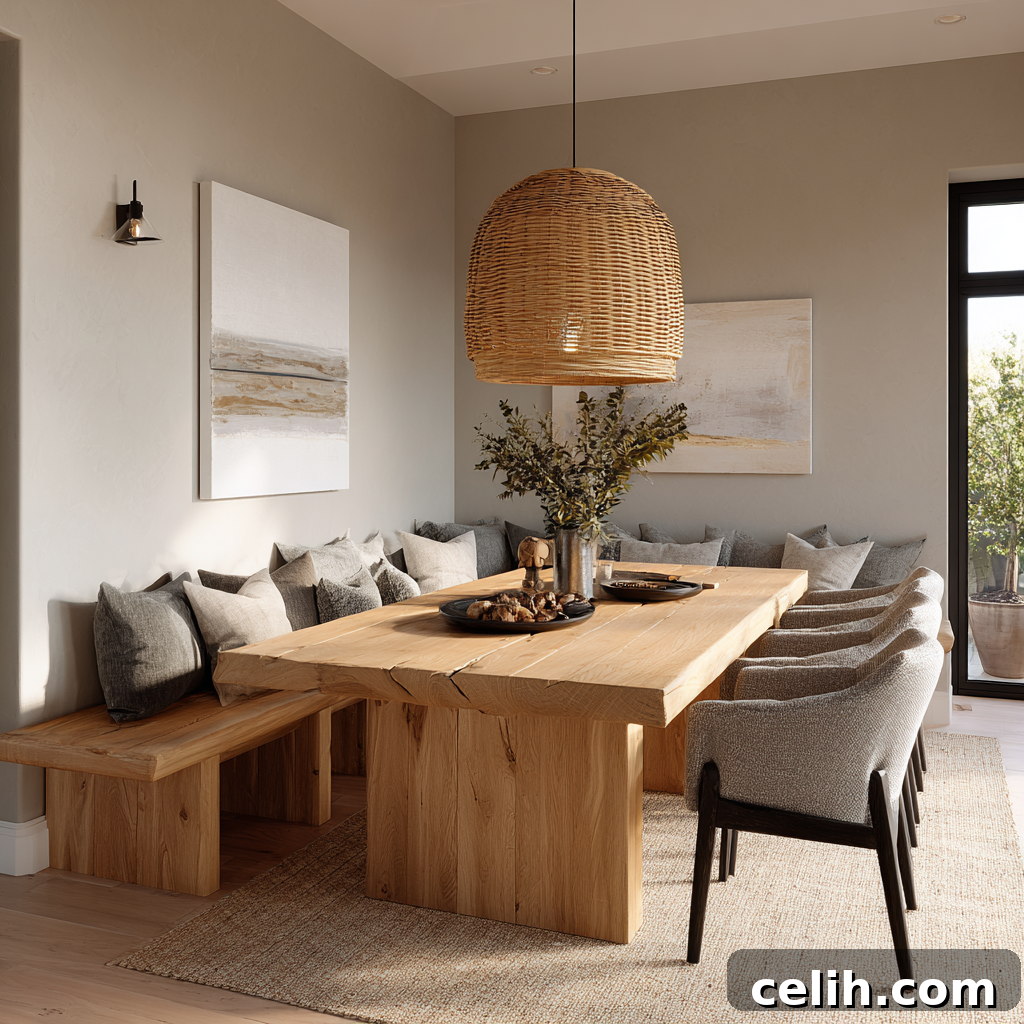
Dining chairs play a big role in the room’s look and comfort. Mismatched chairs can be a deliberate, stylish choice, lending a relaxed, collected feel that uniform sets sometimes lack. A bench on one side and chairs on the other creates a convivial, casual vibe and makes it easier to seat extra guests.
If you choose upholstered chairs, consider how fabric interacts with wood. Linen, velvet and leather pair well with natural wood; choosing a fabric tone that echoes the flooring, rug or wall colour helps the space feel intentional and cohesive.
Adding a Sideboard or Dresser
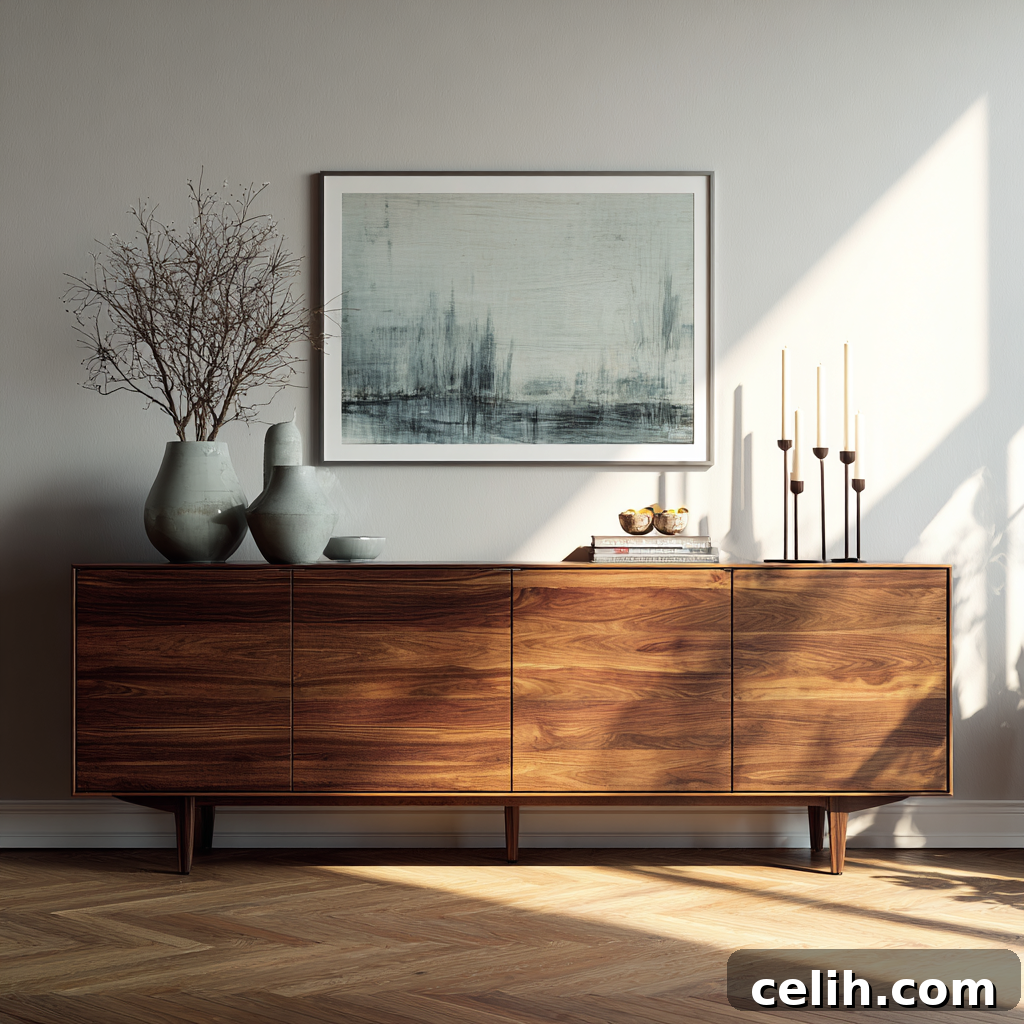
A wooden sideboard is both practical and beautiful. It provides surface space for serving, storage for tableware and linens, and a place to style accessories. Your sideboard doesn’t need to match the table exactly—choosing a complementary finish often looks more interesting.
A long, low walnut sideboard can create a striking contrast with a lighter oak table, especially when styled thoughtfully. Keep the top styling simple: a lamp, a piece of artwork leaning against the wall, a small plant or a few candles are usually enough. Over-styling can look cluttered rather than curated.
Lighting Over the Table
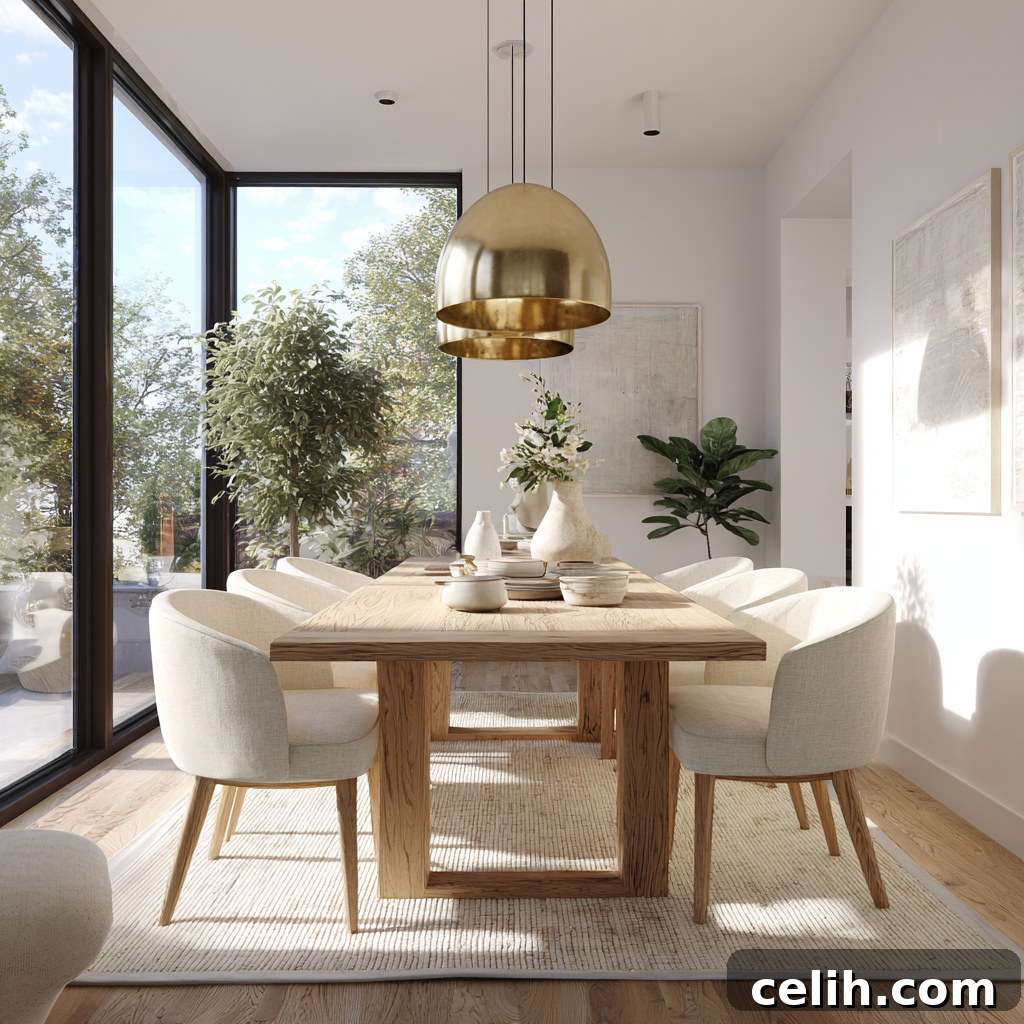
Lighting significantly shapes the room’s atmosphere. A pendant or a row of pendants above the table is transformative. Hang the light at the right height—generally the bottom of the pendant should be about 75–80 cm above the table surface. Too high and you lose intimacy; too low and it blocks sightlines and feels oppressive.
Choose warm bulbs. Cool white light can drain warmth from wood, while a soft amber tone enhances the wood’s natural character and makes the space feel more inviting.
Styling Tips to Bring It All Together
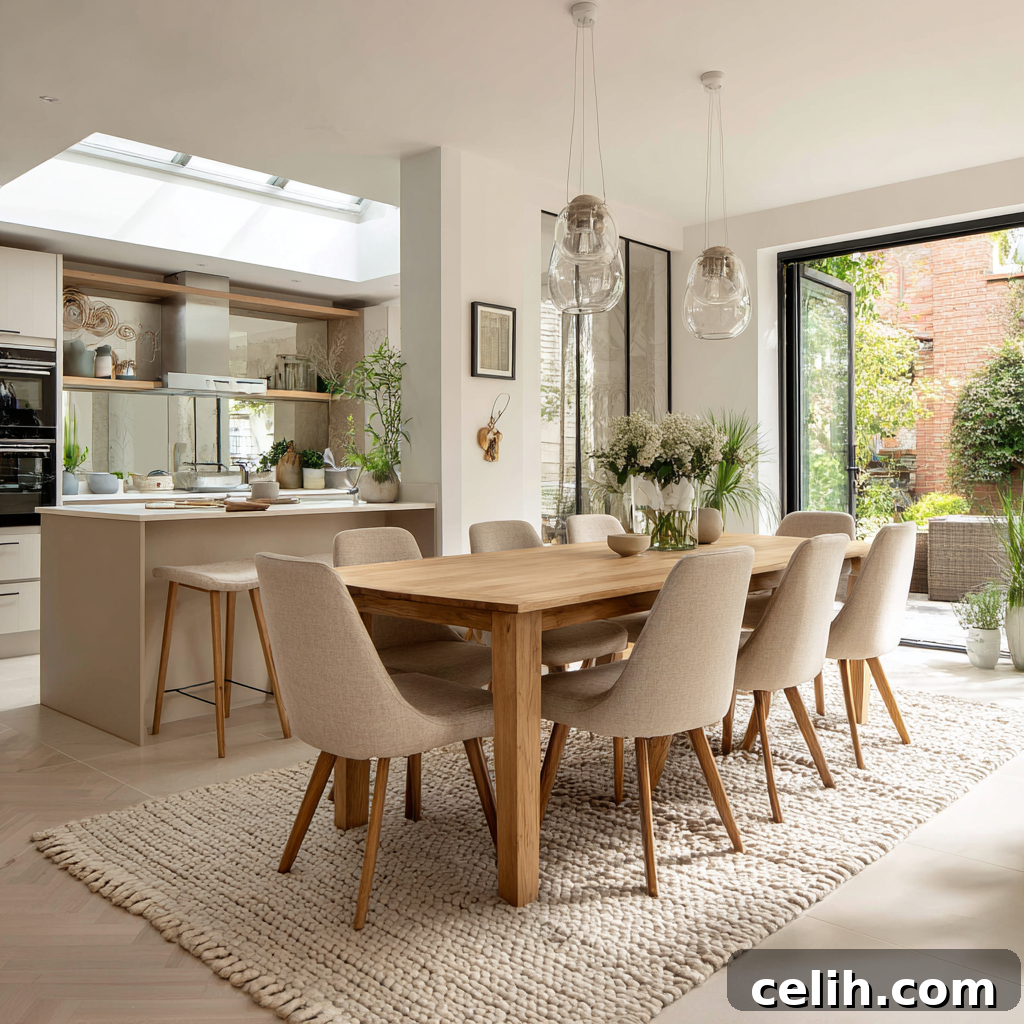
After your main pieces are in place, the finishing touches create a truly welcoming room. A rug under the table adds warmth and defines the dining area, especially in open-plan homes. Make sure it’s large enough so chair legs stay on the rug when pulled out for a balanced look.
Textiles—linen runners, cloth napkins or relaxed tablecloths—add softness and prevent the space from feeling too stark. When styling, avoid leaning entirely into a rustic, earthy palette; introduce one or two unexpected elements, such as a modern artwork, a sculptural vase or a contemporary pendant, to keep the room feeling fresh and current.
A Room Worth Coming Back To
Getting the fundamentals right—quality furniture, warm lighting and thoughtful details—creates a dining room people want to spend time in. Wood rewards that investment: it improves with age, adapts to changing tastes and gives the dining room an honest, grounded character that makes a home feel lived in and welcoming.