
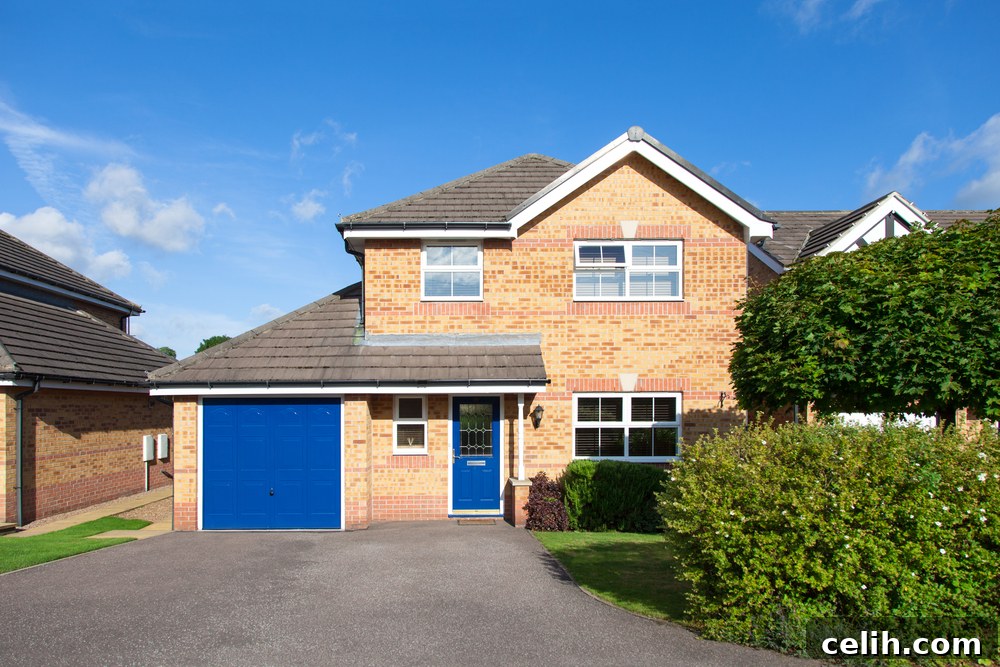
When it comes to enhancing your home’s appeal and making a memorable first impression, few elements are as critical as your front door. More than just an entrance, it serves as a powerful statement piece, a reflection of your personal style, and a vital shield safeguarding your sanctuary from the outside world. It’s the very first feature visitors encounter, setting the architectural tone for what lies within and significantly contributing to your property’s overall curb appeal. Beyond its undeniable aesthetic impact, your front door fulfills crucial practical functions, offering robust security, superior insulation, and improved energy efficiency. Therefore, selecting the right front door isn’t merely about superficial beautification; it represents a shrewd, long-term investment in your home’s value, comfort, and safety.
If you’re contemplating home improvements, upgrading your front door stands out as an exceptionally impactful option. This expert guide aims to demystify the complex world of front door choices, providing in-depth insights into popular materials like composite and wooden doors, exploring the associated costs, and highlighting the significant value they can bring to your property. We’ll help you navigate the myriad of options to make an informed decision that perfectly aligns with your home’s style and your practical needs.
Understanding the Investment: The Cost of a New Front Door
The financial outlay for a new front door is influenced by a diverse range of factors, and a comprehensive understanding of these elements is key to making a well-informed purchasing decision. While prices can fluctuate significantly, reviewing various new front door costs in a detailed guide, such as this cost breakdown here, can provide a useful starting point.
Material Matters: Exploring Your Options
The material chosen for your front door is perhaps the most significant determinant of its cost, performance, and overall aesthetic. Each option boasts distinct characteristics and price points. Popular choices include wood, fiberglass, steel, uPVC, and the increasingly favored composite doors.
- Wooden Doors: Revered for their timeless charm, natural beauty, and inherent insulating properties, wooden doors often occupy the higher end of the price spectrum. Their classic appeal and customizable nature make them a favorite for many traditional and bespoke homes. However, they demand more frequent maintenance to prevent warping, rot, and weathering.
- Steel Doors: Often considered a more budget-friendly alternative, steel doors excel in terms of security and durability. They are highly resistant to impact and offer excellent protection. While robust, they can be prone to denting and may rust if their protective coating is compromised, requiring prompt repair.
- Fiberglass Doors: A fantastic mid-range option, fiberglass doors offer the aesthetic versatility to mimic the look of real wood without the intensive maintenance. They are highly durable, resistant to dents and scratches, and provide excellent insulation, making them a superb choice for energy efficiency and longevity.
- uPVC Doors: Generally the most economical option, uPVC (unplasticized polyvinyl chloride) doors are lightweight and require minimal maintenance. However, their affordability often comes with compromises. uPVC doors can be less robust in terms of security compared to other materials and are more susceptible to warping, fading, or discolouration over time, especially in varying temperatures. While the initial cost is low, potential long-term issues like reduced lifespan and a less premium aesthetic can make them less economical in the long run.
- Composite Doors: Representing a sophisticated blend of materials such as timber, uPVC, and glass-reinforced plastic (GRP), composite doors strike an impressive balance between aesthetics, superior performance, and cost-effectiveness. They often sit in the middle to upper-middle price range, offering exceptional durability, security, and thermal efficiency.
Design, Style, and Customization
The intricacy of your chosen front door’s design, its style, and any custom features significantly influence its final price. Elaborate designs, decorative glass inserts (such as stained, etched, or frosted panels), unique panel configurations, sidelights, and transoms can substantially elevate the cost. Bespoke finishes, premium hardware (like handles, knockers, and letterboxes), and personalized features add a touch of individuality and sophistication to your home, but these custom elements necessitate more intricate manufacturing processes and higher material costs.
Size, Complexity, and Installation
The physical dimensions and structural complexity of the front door also impact the total expenditure. Larger-than-standard doors, double door systems, or those featuring arched tops or non-rectangular frames require more materials and specialized labor for manufacturing and installation. Furthermore, the installation process itself is a critical cost factor. Professional installation ensures proper fitting, sealing, and functionality, which is essential for maximizing the door’s security, energy efficiency, and overall lifespan. Installation costs can vary based on the complexity of the job, the existing frame, and regional labor rates.
Average Cost Ranges for Front Doors
Excluding installation, the average cost of a new front door can typically range from £500 to £1,800, depending heavily on the material, design complexity, and specific features. Wooden doors generally fall at the higher end of this spectrum due to their premium nature and craftsmanship. Steel and uPVC doors, on the other hand, provide more budget-friendly entry points. uPVC doors, being the most affordable material, are often priced around £450-£600 before installation. Composite doors, with their superior attributes, typically range from £800 to £1,800, including professional installation, offering a competitive and highly valuable choice for many homeowners.
What Exactly Are Composite Doors? A Deep Dive
Composite doors have rapidly ascended in popularity, celebrated for their exceptional durability, remarkably low maintenance requirements, and impressive aesthetic versatility. These innovative doors are engineered from a sophisticated amalgamation of materials, typically featuring a robust timber frame, an insulating foam or solid timber core, and a durable outer skin made from glass-reinforced plastic (GRP). This multi-layered construction allows them to harness the superior qualities of each material, effectively offering the ‘best of all worlds’ in a single, high-performance product.
The core of a composite door is a critical component, with different core types influencing the door’s performance in distinct ways. For instance, a composite door with a solid timber core provides unparalleled security and enhanced structural integrity, making it incredibly resistant to forced entry and impact damage. These doors offer a reassuring sense of solidity and robustness.
Alternatively, an insulating foam core significantly boosts the door’s thermal efficiency. This design choice helps to minimize heat loss, which can translate into substantial savings on your energy bills over time. While foam-core composite doors are often lighter and may be marginally less dense than their solid timber counterparts, they still uphold an extremely high standard of security and durability, far exceeding that of traditional uPVC or some wooden doors.
The GRP outer skin is another hallmark of composite doors. This durable layer is highly resistant to dents, scratches, and weathering, ensuring the door retains its vibrant color and pristine appearance for decades with minimal upkeep. It also provides an authentic woodgrain effect, allowing composite doors to replicate the classic charm of timber without the associated maintenance demands.
Key Factors Influencing Composite Door Prices
While composite doors are a brilliant investment, bringing energy efficiency, impeccable style, and enhanced security to any home, their pricing is subject to several factors. Understanding these elements will empower you to make the most suitable purchase for your property.
Material Composition and Quality
The specific blend and quality of materials used in a composite door significantly impact its overall cost. Higher-grade GRP skins, more advanced insulation materials for the core, and superior timber elements in the frame will naturally command a premium. Investing in a door constructed with top-tier components ensures enhanced durability, superior performance, and an extended lifespan, delivering greater value in the long run.
Style, Finish, and Custom Features
Just like traditional front doors, the aesthetic choices for composite doors play a major role in their pricing. Intricate designs, such as multi-panel configurations or specific glazing patterns, along with custom finishes (e.g., dual-color options or bespoke paint hues), will add to the manufacturing cost. Additionally, incorporating optional features like decorative glass panels, sidelights, integrated letterboxes, elegant door knockers, or advanced smart hardware requires more materials and specialized labor, thereby increasing the final price. These personalized touches, however, contribute immensely to the door’s unique charm and its ability to complement your home’s architectural style perfectly.
Advanced Energy Efficiency and Security Features
One of the most compelling advantages of composite doors is their exceptional thermal insulation properties. Doors designed with superior energy efficiency in mind, featuring lower U-values (a measure of heat transfer), advanced weather seals, and multi-chambered profiles, will typically cost more upfront. However, this investment leads to substantial long-term savings on heating and cooling bills. Similarly, enhanced security features, such as multi-point locking systems, anti-snap cylinders, reinforced frames, and toughened laminated glass, contribute to a higher price but provide unparalleled peace of mind and protection for your home.
Cost Comparison: Wood vs. Composite Doors
While wooden doors possess an undeniable, timeless charm and natural aesthetic, composite doors present a highly compelling and often superior alternative, particularly when considering durability, security, and lower maintenance requirements. Let’s explore a detailed comparison:
- Aesthetics: Wooden doors offer unparalleled natural beauty, warmth, and the ability to be custom-stained or painted. Composite doors, however, are expertly designed to replicate the authentic look and feel of timber, complete with realistic woodgrain finishes, without the inherent drawbacks. They offer a vast array of styles, colors, and glazing options to suit any architectural design, from classic to contemporary.
- Durability and Maintenance: This is where composite doors truly shine. Wooden doors, especially those exposed to harsh weather conditions, require regular maintenance, including sanding, repainting, or varnishing, to prevent warping, cracking, swelling, or rotting. They are susceptible to moisture absorption and pest damage. Composite doors, by contrast, are remarkably robust and virtually maintenance-free. Their GRP skin is impervious to rot, rust, and fading, requiring only an occasional wipe-down with soapy water to keep them looking pristine for decades.
- Security: While a well-made wooden door can offer good security, composite doors are inherently designed for superior protection. Their multi-layered construction, often incorporating a solid timber core and a high-strength GRP outer skin, combined with advanced multi-point locking systems, makes them exceptionally resistant to forced entry. Wooden doors can be more vulnerable to splitting or warping, potentially compromising their security over time.
- Thermal Efficiency: Composite doors typically offer outstanding thermal performance. Their insulating cores (whether foam or solid timber) and tight seals significantly reduce heat loss, contributing to a more comfortable home environment and noticeable reductions in energy bills. While wood is a natural insulator, older or poorly maintained wooden doors may not match the thermal efficiency of modern composite designs.
- Lifespan and Value Over Time: A well-maintained composite door can boast a lifespan exceeding 30 years, often with minimal intervention. This long-term durability and resistance to wear and tear mean that the initial investment is spread over many years, significantly reducing the cost of ownership. Wooden doors, despite their charm, often incur ongoing maintenance costs and may need replacement sooner if not meticulously cared for, potentially making them more expensive in the long run.
Considering installation, composite door prices typically range from £800 to £1,800, making them a highly competitive and cost-effective choice when factoring in their superior performance and longevity compared to wooden alternatives.
Beyond Wood and Composite: Exploring Other Popular Front Door Materials
While wood and composite doors are leading choices, it’s worth briefly considering other materials that might suit specific needs or budgets:
- Steel Doors: If maximum security and affordability are your top priorities, steel doors are an excellent choice. They are highly resistant to forced entry, fire, and are very durable. Modern steel doors come with various finishes, including woodgrain textures, allowing them to blend well with different home styles. However, they can dent and may require immediate repair if the protective coating is scratched to prevent rust. Their insulation properties are generally good, but they can transfer temperature if not adequately insulated.
- Fiberglass Doors: Fiberglass doors are a fantastic middle-ground option, combining the best aspects of wood and steel. They offer excellent durability, resist dents, rot, and rust, and are virtually maintenance-free. Critically, fiberglass doors boast superior insulation properties, often outperforming both wood and steel in energy efficiency. They can be molded to convincingly mimic the look and texture of real wood, allowing for a high-end aesthetic without the upkeep. They are also highly customizable in terms of color and finish. The main drawback might be their cost, which is typically higher than steel and uPVC, but generally less than high-end custom wood doors.
Choosing the Perfect Front Door for Your Home
Selecting the right front door involves more than just picking a pretty color; it’s about making an informed decision that aligns with your home’s unique characteristics and your lifestyle. Consider these key factors:
- Architectural Style: Ensure the door complements your home’s existing architecture. A traditional cottage might benefit from a classic wooden or wood-effect composite door, while a modern minimalist home might suit a sleek steel or contemporary composite design.
- Climate Considerations: Your local climate significantly impacts material suitability. In humid or rainy environments, materials like composite or fiberglass will outperform wood, which can be prone to swelling and warping. In areas with extreme temperatures, superior insulation (found in quality composite or fiberglass doors) is paramount.
- Security Needs: Evaluate the level of security you require. Steel and composite doors, especially with multi-point locking systems, offer exceptional protection. Prioritize robust frames and high-quality hardware.
- Energy Efficiency Goals: If reducing energy bills is a priority, look for doors with low U-values, indicating excellent thermal performance. Composite and fiberglass doors with insulating cores often excel in this area.
- Maintenance Commitment: Be realistic about how much time you’re willing to dedicate to door maintenance. If you prefer a “set it and forget it” approach, composite, fiberglass, or steel doors are ideal. If you enjoy the hands-on care of natural wood, a timber door could be a rewarding choice.
- Budget: Determine a realistic budget that encompasses both the door itself and professional installation. While initial costs vary, remember to factor in long-term value, including potential maintenance and energy savings.
Installing a New Front Door in Your Home
Once you’ve made your choice, professional installation is paramount. A poorly installed door, regardless of its quality, can compromise security, reduce energy efficiency through drafts, and lead to premature wear. A professional installer will ensure:
- Precise Measurement: Accurate measurements are crucial for a perfect fit, preventing gaps and ensuring smooth operation.
- Proper Frame Preparation: The existing frame will be assessed and prepared or replaced if necessary to ensure it’s plumb, level, and square.
- Secure Installation: The new door and frame will be securely fixed, often using specialized fasteners and techniques to maximize structural integrity and security.
- Effective Sealing and Insulation: Gaps around the frame will be meticulously sealed with appropriate weatherstripping, caulk, and insulation to prevent drafts, moisture ingress, and heat loss.
- Functionality Check: The door will be checked for smooth opening and closing, proper lock engagement, and correct alignment.
- Warranty Preservation: Many door warranties are contingent on professional installation, protecting your investment.
Final Thoughts: A Lasting Impression and Investment
In conclusion, choosing a new front door is a thoughtful process that necessitates careful consideration of various factors, from material and design to overall cost and long-term value. Understanding the nuances of new front door costs and composite door prices, in particular, empowers you to make informed decisions that align perfectly with both your financial budget and your aesthetic preferences. Investing in a high-quality front door doesn’t just significantly enhance your home’s curb appeal and security; it also contributes to its energy efficiency and overall market value.
Whether you’re drawn to the timeless elegance and warmth of traditional wooden doors or prefer the modern durability, low maintenance, and superior performance of composite options, the ultimate goal is to find the perfect balance. This balance should encompass impeccable style, robust functionality, uncompromising security, and lasting value. Your front door is more than an entry point; it’s a critical architectural feature that welcomes, protects, and defines your home for years to come.