
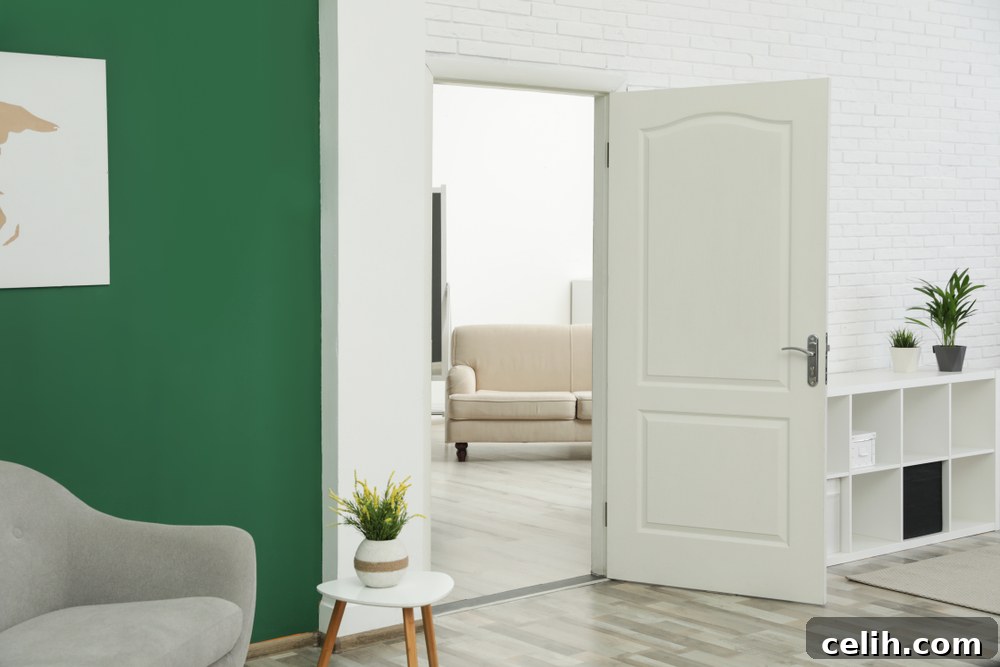
Often considered minor architectural details, internal doors play a far more significant role in your home than many homeowners realize. While they may not offer the robust security of an external door, their impact on the overall ambiance, functionality, and flow of your living spaces is profound. Overlooking the importance of these essential elements can lead to aesthetic inconsistencies that disrupt your interior design vision, along with practical issues that compromise comfort and privacy.
Internal doors serve as crucial components for defining individual zones, managing noise levels, and contributing to a cohesive decorative scheme. They can enhance natural light, improve ventilation, and even influence energy efficiency. Whether you’re embarking on a full renovation, updating a single room, or simply replacing a worn-out door, understanding the vast array of options available is the first step toward making an informed decision.
If you’re contemplating an upgrade or facing functional challenges with your current internal doors, the market offers an impressive diversity of styles, materials, and designs. To navigate this extensive selection effectively, it’s beneficial to familiarize yourself with some of the most popular and practical internal door types. This comprehensive guide will walk you through various options, helping you identify the perfect doors to elevate your home’s aesthetic appeal and everyday liveability.
Flush Doors: The Epitome of Modern Simplicity
Flush internal doors are characterized by their smooth, unadorned surfaces, offering a clean and minimalist aesthetic that seamlessly integrates into a variety of interior designs. While often perceived as ‘generic’ due to their simplicity, this very quality makes them incredibly versatile. They consist of a solid or hollow core framed with timber, then faced with plywood, MDF, or a veneer, resulting in a flat, uniform panel.
Despite their straightforward appearance, flush doors can be surprisingly robust and can be customized to match any decor. Available in a wide spectrum of finishes, from natural wood veneers that add warmth and texture to sleek painted surfaces that contribute to a contemporary look, their potential for stylistic expression is significant. Manufacturers offer them in various grades of sturdiness, allowing for options that are both budget-friendly and those that offer enhanced durability and sound insulation, particularly solid core versions.
However, it’s true that flush doors might not exude the same level of traditional luxury as elaborately panelled, raised, or intricately grained alternatives. Their strength lies in their understated elegance, making them an excellent choice for modern, minimalist, or industrial-inspired interiors where clean lines and an uncluttered visual are paramount. They are also highly practical for utility rooms, bedrooms, and bathrooms where functionality and a simple aesthetic are prioritized. Their smooth surface makes them easy to clean and maintain, adding to their appeal for busy households.
Glazed Doors: Illuminating Your Living Spaces
Glazed internal doors, featuring one or more glass panels, are an exceptional choice for homeowners looking to enhance natural light distribution and create a more open, airy feel within their homes. Their design often blurs the line between a door and a window, a characteristic that is highly sought after for its aesthetic appeal. This transparency or translucency allows light to flow freely between rooms, brightening darker areas and making smaller spaces feel larger and more connected.
The versatility of glazed doors is truly remarkable. While they are frequently utilized as elegant solutions for bathrooms and shower enclosures – where options like frosted, reeded, or obscure glass provide essential privacy without sacrificing light – their application extends to virtually any room. From living areas and dining rooms to home offices and hallways, glazed doors can serve as sophisticated room dividers that maintain a visual connection between spaces while offering acoustic separation.
When privacy is a key consideration, options abound beyond clear glass. Thicker, more substantial glazed doors often incorporate a higher frame-to-glass ratio, lending greater perceived solidity. Various glass types, such as frosted, sandblasted, or textured glass, can diffuse light beautifully while effectively obscuring views. For those seeking even greater control, smart glass technology allows for instant transitions from transparent to opaque at the flick of a switch, offering ultimate adaptability.
Beyond functional benefits, the aesthetic customisation potential of glazed doors is vast. They come in a myriad of styles, from contemporary designs with large, single panes of glass to more traditional versions featuring multiple smaller panes, often separated by decorative glazing bars. Frame materials can range from classic wood to modern aluminum or uPVC, allowing for seamless integration into diverse interior schemes. Their inherent adaptability ensures that there’s a glazed door solution for nearly every taste and functional requirement, making them a popular and enduring choice for modern interiors. Take a look through Online Door Store’s range of internal doors, and browse over to their Glazed Internal Doors section for more guidance.
Louvred Doors: Enhancing Airflow with Style
Louvred internal doors are distinguished by their unique construction, featuring a series of horizontal slats, or ‘louvres,’ typically positioned across the central section of the door. Traditionally crafted from solid wood, contemporary louvred doors are now also widely available in engineered wood, MDF, or composite materials, offering enhanced durability and finish options. This distinctive slatted design is not merely decorative; it serves a crucial functional purpose, reminiscent of slatted windows, by facilitating excellent air circulation.
The primary benefit of louvred doors lies in their ability to promote continuous airflow between rooms or within enclosed spaces, even when the door is closed. This feature is particularly valuable in areas where ventilation is key to preventing stale air, humidity buildup, or odors, all without fully compromising the privacy of the room. The angles of the slats are typically designed to obstruct direct views while still allowing air to pass through freely, offering a subtle form of seclusion.
Commonly, louvred internal doors find their ideal application in utility areas such as closets, pantries, laundry rooms, and specific bathroom designs. In wardrobes and cupboards, they help air out clothes and linens, preventing mustiness. In bathrooms, they assist in dissipating steam and moisture, reducing the risk of mold and mildew. Their design is also a popular choice for dressing rooms and changing areas, where both airflow and a degree of privacy are desired. Aesthetically, louvred doors can introduce a touch of classic charm or a relaxed, coastal vibe, depending on the finish and material chosen, making them both a practical and stylish addition to a home.
Double Doors and Segmented Doors: Grand Entrances and Flexible Spaces
While not a distinct ‘type’ of door in the same way as flush or glazed designs, double doors represent a significant configuration choice that profoundly impacts a room’s aesthetic and functionality. Essentially, a double door system comprises two individual internal doors, often of the same style (be it flush, panelled, or glazed), mounted side-by-side to fill a wider entryway. This arrangement creates a grand and imposing entrance, instantly elevating the perceived value and sophistication of a space. Beyond their aesthetic appeal, double doors are a practical solution for openings too broad for a standard single door, allowing for a more expansive passage when both doors are open. They are frequently employed in formal living rooms, dining areas, or master bedrooms, providing a sense of luxury and enabling easy movement of furniture or large items.
Segmented doors, also known as bi-fold, multi-fold, or accordion doors, offer a distinct and highly flexible alternative for dividing spaces. Unlike double doors that swing open, segmented doors consist of multiple connected panels that fold in on themselves along a track, creating a wide opening without requiring extensive swing space. This makes them an exceptionally space-efficient solution for large apertures or for creating adaptable open-plan living zones that can be quickly partitioned when needed. Whether crafted from solid timber, incorporating glazed panels, or featuring a slatted design, the adaptability of segmented doors is immense.
These multi-jointed structures are perfect for connecting or separating living rooms from conservatories, defining expansive kitchen-diners, or even forming large wardrobe fronts. When fully opened, they virtually disappear, seamlessly blending two areas. When closed, they provide a complete barrier, offering privacy and sound separation. Both double doors and segmented doors excel at transforming an ordinary entryway into a striking architectural feature, enhancing both the practical utility and the visual drama of a home’s interior design.
Sliding Doors: Maximizing Space and Modern Aesthetics
Sliding internal doors are a distinct and highly practical door type, celebrated for their exceptional space-saving capabilities and modern aesthetic appeal. Unlike traditional hinged doors that require a clearance arc, sliding doors operate by gliding horizontally along a track, either within a wall cavity (pocket doors), along the wall’s surface (barn doors or surface-mounted sliders), or as a multi-panel system for larger openings. This eliminates the need for swing space, making them an ideal solution for compact rooms, narrow hallways, or areas where furniture placement would otherwise be restricted.
These doors can consist of a single panel, or multiple panels that stack or telescope, depending on the width of the opening and the desired design. Their construction can vary significantly, ranging from solid wood or composite panels that offer maximum privacy and sound insulation, to partially or fully glazed options that invite light and create a sense of openness. A key differentiator from segmented or bi-fold doors is that sliding doors typically consist of rigid panels that do not bend at joints; instead, they move as a single unit or parallel units.
In contemporary homes, secure and stylish sliding doors are particularly popular in bathrooms, where they frequently serve as elegant and functional shower enclosures. Thicker, partially or fully glazed sliding doors, often featuring translucent or frosted glass, are also excellent choices for the main bathroom door, offering both light diffusion and essential privacy. Beyond bathrooms, they excel in applications like walk-in closets, en-suite entrances, and as dividers for open-plan living areas, allowing for flexible room configurations. The sleek lines and minimal footprint of sliding doors make them a perfect fit for contemporary and minimalist interior designs, offering both practical benefits and significant style enhancement.
French Doors: Classic Elegance and Abundant Light
French doors are synonymous with classic elegance, originating from 17th-century France and evolving into a beloved architectural feature worldwide. These distinctive internal doors are predominantly characterized by their large glass panes, often divided into multiple smaller lites (panes) by decorative muntins, set within a robust yet often slender frame. While traditionally configured as double doors that open outwards or inwards from a central point, single French doors are also available, offering the same charm for narrower openings.
The hallmark of a classic French door is its predominantly glazed center, encased by a refined wooden or occasionally metallic frame. The glass is typically sectioned by a grid of supportive beams, commonly arranged in configurations such as 3×4 or more, creating at least 12 individual, equally sized rectangular panes. This design maximizes light penetration, making French doors an exceptional choice for brightening interior spaces and fostering a sense of openness and connectivity between rooms.
Historically, French internal doors have been a staple in formal settings such as libraries, studies, dining rooms, and drawing rooms, where they contribute a sophisticated, airy atmosphere. They are also ideal for linking living areas to conservatories or sunrooms, seamlessly bridging indoor and outdoor spaces (though for exterior use, they require different specifications). The clear glass panels, which are characteristic of traditional French doors, allow for unobstructed views and an abundance of light to pass through, creating an expansive feel.
While this transparency is a significant advantage for light flow, it inherently offers limited privacy. However, modern adaptations address this by offering various glass options, including frosted, etched, or reeded glass. Opting for these glazed alternatives allows homeowners to retain the iconic style and light-enhancing qualities of French doors while providing the necessary seclusion for more private rooms like bedrooms or en-suites. French doors remain a timeless choice for those seeking to infuse their homes with European charm, ample natural light, and a touch of refined architectural beauty.
Key Factors to Consider When Selecting Internal Doors
Choosing the right internal doors involves more than just picking a style you like; it requires a thoughtful evaluation of several practical and aesthetic considerations to ensure they perfectly complement your home and lifestyle. Here are the essential factors to weigh:
Material and Construction
- Solid Core vs. Hollow Core: Solid core doors offer superior sound insulation, durability, and a more substantial feel, making them ideal for bedrooms and bathrooms. Hollow core doors are lighter, more economical, and suitable for less critical areas like closets or utility rooms.
- Wood: Timeless and versatile, wood doors come in various species (oak, pine, walnut) and finishes, from natural stains to paint. They offer excellent durability and can be customized with intricate designs.
- MDF/Engineered Wood: A cost-effective alternative to solid wood, offering stability and a smooth surface perfect for painting.
- Glass: Used in glazed and French doors, available in clear, frosted, textured, or smart glass for varying levels of light transmission and privacy.
Style and Aesthetics
- Complement Your Home’s Decor: Ensure the door style harmonizes with your home’s overall architectural style – modern, traditional, rustic, minimalist, etc.
- Consistency vs. Variety: While maintaining a consistent door style throughout the home creates cohesion, you might opt for different styles in specific rooms (e.g., a glazed door for a study, a solid door for a bedroom).
- Colour and Finish: Whether painted, stained, or veneered, the door’s colour and finish significantly impact the room’s mood and visual appeal.
Functionality and Purpose
- Privacy: For bedrooms, bathrooms, and offices, solid core or fully opaque doors are paramount. Glazed options with frosted or smart glass can also work.
- Sound Insulation: Solid core doors are best for noise reduction, crucial for bedrooms, nurseries, or home offices.
- Light Flow: Glazed doors are excellent for maximizing natural light in darker hallways or connecting bright spaces.
- Space Saving: Sliding doors (pocket or barn) and bi-fold doors are ideal for tight spaces where a traditional hinged door would impede movement or furniture placement.
- Ventilation: Louvred doors are specifically designed to allow air circulation, perfect for closets, laundries, and pantries.
Hardware and Accessories
Don’t overlook the importance of handles, hinges, and locks. These elements are not just functional but also contribute significantly to the door’s overall look and feel. Choose hardware that matches the door’s style and finish, and ensures smooth operation.
Budget
Internal door prices vary widely based on material, construction, style, and customization. Establish a budget early in your decision-making process to narrow down your options effectively.
By carefully considering these factors, you can select internal doors that not only look stunning but also enhance the comfort, efficiency, and functionality of every space within your home.
Choosing the right internal doors is a pivotal decision that impacts not just the aesthetics but also the functionality and overall comfort of your home. By understanding the diverse range of styles – from the sleek simplicity of flush doors and the light-enhancing qualities of glazed designs, to the ventilating benefits of louvred doors, the grandeur of double and segmented systems, the space-saving ingenuity of sliding doors, and the timeless elegance of French doors – you are now better equipped to make informed choices.
Each door type offers unique advantages, catering to specific needs and design preferences. Consider the role each door will play, the amount of light and privacy required, and how it will integrate with your existing decor. With careful consideration of these factors, you can select internal doors that not only meet your practical requirements but also serve as beautiful, integral elements of your home’s distinctive character. Invest wisely, and your internal doors will contribute significantly to a harmonious and inviting living environment for years to come.
Featured image credit: New Africa / Shutterstock