
Every homeowner understands that a roof is far more than just a cover; it’s the primary guardian of your property, shielding it from the elements while significantly contributing to its curb appeal and overall value. In today’s dynamic architectural landscape, roofing has evolved beyond mere functionality, becoming a crucial design element that can define the character of a home. Whether you’re planning a new build, a significant renovation, or a necessary roof replacement, exploring modern roofing designs offers an exciting opportunity to blend innovative aesthetics with superior performance. This comprehensive guide delves into some of the most popular and cutting-edge roofing options available, helping you make an informed decision that enhances both the beauty and efficiency of your cherished home.
Top Modern Roofing Designs to Transform Your Home’s Aesthetic and Performance
The choice of roofing material and style profoundly impacts a home’s longevity, energy consumption, and visual impact. Modern roofing solutions offer an impressive array of benefits, from enhanced durability and energy efficiency to environmental sustainability and striking architectural statements. Let’s explore the leading designs that are shaping contemporary residential architecture.
1. The Enduring Appeal of Shingle Roofing
Shingle roofing remains one of the most widely chosen and versatile options for modern homes, celebrated for its classic appearance and practicality. Characterized by overlapping rectangular pieces, shingles are typically crafted from asphalt or fiberglass, offering a robust and attractive protective layer. Their popularity stems from a perfect balance of durability, cost-effectiveness, and an extensive range of aesthetic possibilities.
Why Choose Shingle Roofing?
- Versatility in Design: Modern shingle systems come in an astounding variety of colors, textures, and profiles. This allows homeowners to select a shade that perfectly complements their home’s exterior, from traditional muted tones to bold, contemporary hues. Architectural shingles, for instance, mimic the luxurious look of natural slate or wood shakes without the high cost or intense maintenance, offering enhanced dimension and curb appeal.
- Cost-Effectiveness: Compared to many other high-end roofing materials, asphalt shingles offer an excellent balance of initial affordability and long-term performance, making them accessible to a broad range of budgets.
- Ease of Installation and Repair: Shingle roofs are relatively straightforward to install, which can lead to lower labor costs. Should individual shingles be damaged, repairs are often simple, involving the replacement of only the affected sections.
- Proven Performance: Modern asphalt shingles are engineered to withstand various weather conditions, including high winds, heavy rain, and UV radiation, with manufacturers offering warranties that often span 20-30 years or more.
- Enhanced Features: Many contemporary shingles incorporate advanced features such as algae resistance, reflective granules for increased energy efficiency (cool shingles), and improved impact resistance for hail-prone areas.
For those seeking a roofing option that combines traditional charm with modern advancements, shingle roofs offer a compelling choice. They provide a solid, attractive, and reliable covering that continues to be a cornerstone of residential design.
2. Embrace Durability and Style with Metal Roofing
Metal roofing is increasingly gaining traction as a premium choice for homeowners seeking unparalleled durability, energy efficiency, and a sleek, contemporary aesthetic. Far from the corrugated barn roofs of the past, modern metal roofing systems offer sophisticated designs that complement everything from industrial-chic homes to minimalist masterpieces. This roofing design represents a significant investment that delivers substantial returns in longevity and performance.
The Advantages of Metal Roofing
- Exceptional Longevity: A well-installed metal roof can last 40-70 years or even longer, often outliving the home itself. This makes it a multi-generational investment, significantly reducing the need for future roof replacements.
- Superior Durability: Metal roofs are highly resistant to fire, rot, mildew, insects, and harsh weather conditions like high winds, heavy snow, and hail. They won’t crack, shrink, or erode.
- Energy Efficiency: Many metal roofing options are classified as “cool roofs” due to their ability to reflect solar radiant heat, significantly reducing cooling costs in warmer climates. This reflective property can lead to substantial energy savings, especially during peak summer months.
- Low Maintenance: Once installed, metal roofs require minimal maintenance. Periodic inspections and cleaning are generally sufficient to keep them in top condition.
- Environmental Benefits: Metal roofs often contain a high percentage of recycled content and are 100% recyclable at the end of their very long lifespan, making them an environmentally responsible choice.
- Versatile Aesthetics: Available in a vast array of materials (aluminum, steel, copper, zinc), colors, and profiles (standing seam, corrugated, metal shingles, tiles), metal roofing can mimic traditional styles or offer a distinctly modern, crisp appearance.
Specialized companies like Mighty Dog Roofing excel in the intricate processes of metal roof installation, repair, and replacement, ensuring homeowners receive expert guidance and flawless execution. Similarly, the Armour Roofing team frequently educates clients on the performance differences between various metal options under specific weather conditions, helping them select the best fit for their property’s long-term value and maintenance needs. Their expertise is invaluable in making informed decisions about this robust and stylish roofing solution. The sleek lines and robust performance of metal roofing are making it a preferred choice for discerning homeowners and architects alike, especially in contemporary and industrial-inspired home designs.
3. The Sustainable Future: Roofs with Solar Panels
For homeowners prioritizing environmental responsibility and long-term savings, incorporating solar panels into a roofing design is an increasingly popular and intelligent choice. Solar technology has advanced considerably, offering solutions that are both highly efficient and aesthetically integrated, moving beyond the bulky, add-on look of earlier installations.
Benefits of Solar Panel Roofing
- Significant Energy Savings: By harnessing the sun’s power, solar panels can drastically reduce, or even eliminate, your monthly electricity bills. In areas with abundant sunshine, a well-sized system can provide most, if not all, of your home’s energy needs.
- Environmental Stewardship: Reducing reliance on fossil fuels lowers your carbon footprint, contributing directly to a cleaner, more sustainable planet. This aspect appeals strongly to eco-conscious homeowners.
- Increased Home Value: Homes equipped with solar energy systems are highly attractive to potential buyers, often selling faster and at a higher premium. Solar installations are considered a valuable asset that enhances property value.
- Government Incentives: Many regions offer substantial tax credits, rebates, and other incentives for installing solar panels, which can significantly offset the initial investment cost.
- Energy Independence: Generating your own electricity reduces your vulnerability to utility rate fluctuations and power outages, offering greater control over your energy future.
Modern solar solutions include not only traditional rooftop-mounted panels but also integrated solar shingles or tiles that seamlessly blend with conventional roofing materials, offering a discreet yet powerful energy generation system. When considering a roofing update, evaluating the potential for solar integration is a forward-thinking step towards a more sustainable and economically sound home.
4. The Rustic Charm of Thatched Roofs
A thatched roof is perhaps the most distinctive and visually striking roofing option, instantly evoking images of pastoral landscapes and timeless country cottages. Crafted from bundles of dried vegetation such as straw, reed, or heather, this ancient roofing technique offers a unique aesthetic that can make a home truly stand out. While traditionally associated with historic or rustic properties, contemporary applications demonstrate how thatched roofs can be integrated into bespoke modern designs seeking natural textures and sustainable materials.
Considerations for Thatched Roofing
- Exceptional Insulation: Thatched roofs are renowned for their superior thermal properties. The thick layers of natural material create excellent insulation, keeping homes warm in winter and remarkably cool in summer, leading to significant energy savings.
- Unique Aesthetic: There is no mistaking the organic, undulating beauty of a thatched roof. It lends a fairytale-like quality and an unparalleled sense of charm and character to any building it adorns.
- Sustainability: Thatching materials are renewable and biodegradable, making this an environmentally friendly choice, especially when sourced locally.
- Longevity (with Maintenance): While requiring specialized upkeep, a well-maintained thatched roof can last for several decades, depending on the material and climate.
- Specialized Craftsmanship: Thatching is a highly skilled craft, requiring experienced artisans. This contributes to the higher cost and longer installation time compared to conventional roofing.
- Maintenance and Fire Risk: Thatched roofs require specific maintenance to prevent rot and pest infestation. While modern fire retardant treatments exist, the inherent flammability of dry organic material needs careful consideration and adherence to local building codes.
Choosing a thatched roof means embracing a significant architectural statement and committing to specialized care. It’s a choice often made by those desiring an authentic, natural aesthetic and a connection to traditional building practices, suitable for specific climates and property types.
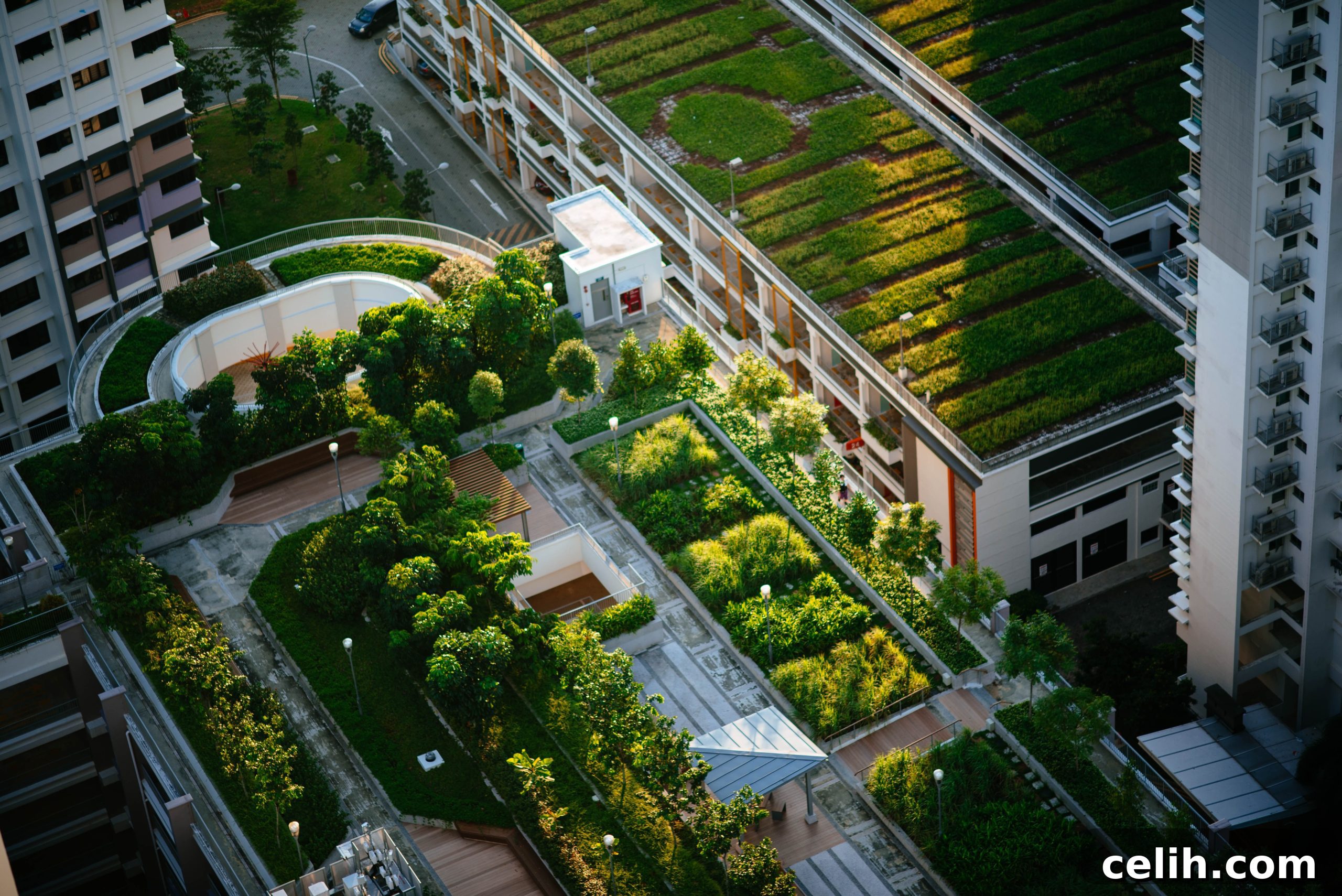
5. The Eco-Friendly Advantage of Green and Living Roofs
Green roofs, and their more elaborate counterparts, living roofs, represent a cutting-edge approach to sustainable building, transforming traditional rooftops into vibrant ecosystems. These innovative systems involve planting vegetation over a waterproof membrane, creating a multi-layered structure that offers a host of environmental and economic benefits. While the original content subtly distinguishes between “green” and “living” roofs, it’s worth noting that “green roof” is the broader term, encompassing both extensive (lighter, low-maintenance sedums) and intensive (deeper soil, diverse plants, even trees – what some might specifically call a “living roof”) systems.
Key Benefits of Green and Living Roofs
- Superior Insulation and Energy Efficiency: The layer of soil and vegetation acts as a natural insulator, significantly reducing heat transfer through the roof. This keeps homes cooler in summer and warmer in winter, leading to substantial savings on heating and cooling costs.
- Stormwater Management: Green roofs absorb and filter rainwater, reducing runoff and alleviating pressure on urban drainage systems. This is particularly beneficial in preventing flash floods and improving water quality.
- Mitigation of Urban Heat Island Effect: In urban areas, conventional roofs absorb and radiate heat, contributing to higher ambient temperatures. Green roofs cool the surrounding environment through evapotranspiration, combating the “urban heat island” effect.
- Enhanced Biodiversity: By providing habitats for insects, birds, and other wildlife, green roofs contribute to urban biodiversity, fostering healthier local ecosystems.
- Extended Roof Lifespan: The vegetation layer protects the underlying waterproofing membrane from harsh UV radiation and extreme temperature fluctuations, effectively doubling its lifespan.
- Aesthetic Appeal and Amenity Space: Transforming a bland rooftop into a lush garden adds significant visual appeal and can create valuable recreational or productive space, such as urban farms or serene rooftop gardens.
Implementing a green or living roof requires careful planning, including structural assessment to support the weight, and a robust waterproofing system. However, the long-term benefits for both the homeowner and the environment make it an increasingly attractive option for modern, eco-conscious architecture, from private residences to commercial buildings.
6. Cultivating a Private Oasis with Living Roofs
While often used interchangeably with “green roof,” a “living roof” often refers to the more intensive, complex end of the spectrum, where the aim is to create a truly integrated landscape atop a building. This can involve deeper soil beds, a wider variety of plant species, shrubs, and even small trees, effectively extending the ground-level garden upwards. This takes the environmental and aesthetic benefits of green roofs to a new level, offering unparalleled privacy, ecological richness, and bespoke design possibilities.
Unique Advantages of Living Roofs
- Enhanced Privacy and Seclusion: By transforming an open rooftop into a lush, elevated garden, living roofs provide an exceptional sense of privacy and a natural screen from overlooking neighbors or urban surroundings.
- Biodiversity Hotspot: With greater soil depth and plant diversity, intensive living roofs can support a richer ecosystem, attracting a wider range of birds, butterflies, and beneficial insects.
- Architectural Statement: A living roof can be a stunning architectural feature, blurring the lines between built structure and natural landscape. It allows for creative landscape design elements, walking paths, and even outdoor living spaces.
- Superior Performance: The thicker layers of an intensive living roof often provide even greater insulation, sound dampening, and stormwater retention capabilities than extensive green roofs.
The installation of a living roof demands meticulous planning from structural engineering to specialized irrigation and drainage systems. However, for those aspiring to create a truly unique and sustainable home that integrates seamlessly with nature, a living roof offers a powerful and rewarding solution, pushing the boundaries of modern home design and ecological integration.
Choosing the right roofing for your home is a pivotal decision that impacts its longevity, energy efficiency, aesthetic appeal, and overall value. Modern roofing designs offer an exciting palette of options, from the timeless elegance of advanced shingles and the robust sophistication of metal, to the sustainable innovation of solar-integrated systems and the ecological benefits of green and living roofs, or even the distinctive charm of thatched roofs. Each option presents a unique blend of benefits and considerations regarding cost, maintenance, and suitability for your specific climate and architectural style.
As you embark on your roofing update or replacement project, it is essential to consider not only the immediate visual impact but also the long-term performance and sustainability of your chosen material. We highly recommend consulting with experienced roofing professionals. They can provide expert guidance tailored to your home’s structure, local building codes, and personal preferences, ensuring that your investment yields maximum returns in both beauty and functionality. With so many innovative and stylish options available, you are sure to find the perfect modern roof to protect, enhance, and define your home for decades to come.