
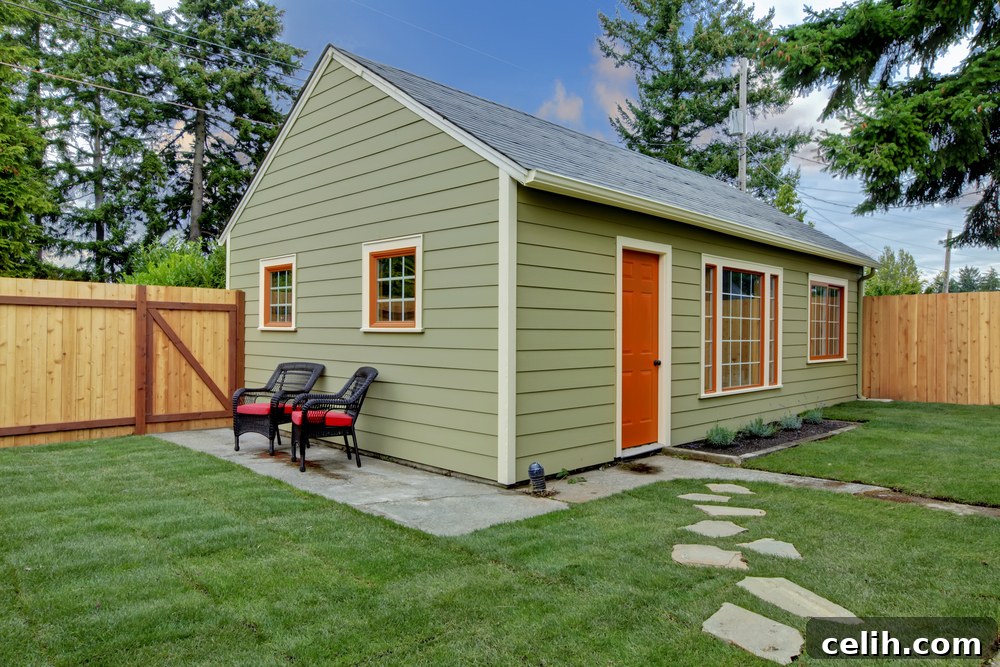
Are you one of the many individuals who have embraced the flexibility of working from home, perhaps from a dedicated metal building in your garden? While this setup offers immense convenience, it often comes with a hidden cost: exorbitant utility bills. The struggle against fluctuating temperatures and the constant drain on your energy budget can be truly disheartening, especially in an era of ever-increasing expenses. Imagine a workspace that remains comfortable year-round, without sending your energy costs sky-high. This isn’t just a dream; it’s an achievable reality through the strategic application of insulation. Retrofitting insulation into your existing metal building is a powerful, cost-effective solution that can revolutionize your work environment, protect your assets, and significantly reduce your monthly overheads. Let’s embark on a journey to uncover the transformative power of insulation and unlock the secrets to a more efficient, economical, and enjoyable metal building space.
Understanding the Impact of Insulation on Utility Bills
When we talk about insulation, think of it as the unsung hero that quietly works behind the scenes, ensuring your metal building remains a fortress against external conditions. It’s the critical barrier that shields your indoor environment from the relentless extremes of summer heat and winter cold, creating a consistently cozy and controlled space. But how exactly does this crucial layer translate into tangible savings on your utility bills? The answer lies in the fundamental principles of heat transfer and energy conservation.
The R-Value: Insulation’s Superpower
At the heart of insulation’s effectiveness is its “R-value.” This seemingly simple numerical rating is, in fact, the superhero statistic in the world of thermal performance. The R-value quantifies a material’s resistance to heat flow. The higher the R-value, the greater its insulating power, meaning it’s more effective at preventing heat from passing through it. This vital metric is influenced by several factors, including the insulation material’s type, thickness, and density. For instance, a thicker layer of fiberglass or a higher-density spray foam will typically boast a superior R-value. Understanding and optimizing the R-value in your metal building is paramount, as it directly dictates your structure’s energy efficiency and, consequently, the size of your utility bills. Investing in insulation with an appropriate R-value for your climate zone ensures you’re maximizing your return on investment in comfort and savings.
How Insulation Lowers Utility Bills Through Heat Transfer Control
The promise of significantly lower utility bills through retrofitted insulation is not an empty one; it’s rooted in established scientific principles. To grasp how this works, we must first understand heat transfer, which occurs in three primary ways: conduction, convection, and radiation. Insulation acts as a formidable barrier against all three. During colder months, it dramatically reduces the rate at which warm air generated by your heating system escapes through the walls and roof of your metal building (conduction and convection). It essentially traps that expensive warmth inside, preventing it from dissipating into the chilly exterior. Conversely, in the summer, insulation performs just as diligently, blocking the intense external heat from radiating inwards and preventing the already cool air from escaping. This means your air conditioning unit doesn’t have to work overtime to fight a losing battle against the sun.
The practical implication of this enhanced thermal control is profound: you gain unprecedented command over your building’s interior temperature. This reduces your reliance on heating and cooling systems, allowing them to operate less frequently and more efficiently. With utility bills having reached unprecedented heights in recent times, this reduced energy consumption translates directly into substantial monthly savings. For home offices, studios, or businesses operating from metal buildings, this isn’t just a comfort upgrade; it’s a strategic financial investment that impacts your bottom line. The initial outlay for insulation retrofitting is quickly offset by the continuous reduction in energy costs, making it a wise and recommended investment for any metal building owner looking to cut monthly expenses and improve operational efficiency.
The Comprehensive Benefits of Retrofitting Insulation
While the ideal scenario involves installing insulation during the initial construction of your metal building, missing that opportunity doesn’t mean you’re out of luck. This is precisely where retrofitting insulation becomes your saving grace, offering a second chance to dramatically improve your structure. Companies like Bluetex Insulation offer specialized kits and services to make this process accessible. In the meantime, let’s delve deeper into the multifaceted benefits that retrofitting insulation brings to the table, transforming your metal building into a truly optimized space.
Improved Energy Efficiency
Retrofitting insulation is akin to giving your metal building a significant power-up, transforming it into an energy-efficient powerhouse. This upgrade minimizes energy waste, allowing your heating and cooling systems to work smarter, not harder. By significantly reducing heat gain in summer and heat loss in winter, you’ll experience a dramatic reduction in the demand for constant climate control. This doesn’t just cut down your utility bills; it also extends the lifespan of your HVAC equipment by reducing wear and tear. Furthermore, an energy-efficient building contributes to a smaller carbon footprint, aligning with modern environmental stewardship goals. Get ready for a game-changer in your monthly utility expenses and a notable boost in your environmental credibility.
Enhanced Comfort and Productivity
Bid farewell to uncomfortable drafts, pervasive cold spots, and sweltering heat fluctuations. Proper insulation creates a consistently comfortable and stable indoor environment, making your metal building a true haven, irrespective of the weather outside. This uniform temperature distribution eliminates the need for sweaters in one corner and fans in another. For those using their metal building as a home office or workshop, this enhanced comfort directly translates to increased productivity and well-being. A comfortable worker is a focused worker. Moreover, insulation often provides an additional benefit: sound attenuation. It dampens external noises like rain, wind, or traffic, and also reduces internal echoes, creating a quieter, more serene space conducive to concentration and relaxation.
Substantial Long-Term Savings and ROI
Investing in insulation isn’t merely about the immediate financial outlay; it’s a strategic decision that delivers significant long-term financial benefits. The most obvious is the consistent reduction in utility bills month after month, year after year. This ongoing saving quickly adds up, allowing you to recoup your initial investment through what’s known as a satisfying return on investment (ROI). Beyond energy savings, insulation also adds tangible value to your property. A well-insulated, energy-efficient metal building is more attractive to potential buyers or tenants should you decide to sell or lease it in the future. So, while you might initially feel apprehensive about the upfront cost, rest assured that this investment pays dividends many times over, both through direct savings and increased property value.
Superior Storage and Asset Protection
Many metal buildings serve as crucial storage spaces for valuable materials, inventory, tools, or personal belongings. Without proper insulation, these structures are highly susceptible to extreme temperature fluctuations and excessive moisture accumulation. This volatile environment can lead to severe issues such as rust on metal items, warping of wood, degradation of fabrics, and the dreaded growth of mold and mildew. Such problems can be devastating, especially if you’re storing inventory for sale or sensitive equipment. Thankfully, insulation plays a pivotal role in preventing moisture and condensation by keeping interior surfaces above the dew point. By regulating temperature and mitigating humidity, insulation safeguards your stored items, preserving their condition, quality, and value, thereby preventing costly damage and potential losses.
Enhanced Structural Integrity and Longevity
Beyond protecting contents, insulation also contributes significantly to the structural health and longevity of the metal building itself. By controlling temperature and moisture, it minimizes the expansion and contraction cycles that metal structures undergo, reducing stress on fasteners and seams. More importantly, by preventing condensation and moisture buildup within the wall cavities, insulation acts as a shield against corrosion and rust, common adversaries for metal buildings. This proactive protection helps maintain the structural integrity of your building over decades, delaying the need for costly repairs and extending the overall lifespan of your investment.
DIY vs. Professional Retrofitting: Making the Right Choice
Once you’ve made the decision to insulate your metal building, you’re faced with two primary avenues to achieve this: a do-it-yourself (DIY) approach using an insulation kit, or hiring experienced professionals for the retrofitting process. Carefully exploring both options is crucial for ensuring the best outcome for your specific needs and budget.
Feeling adventurous and possess a knack for hands-on projects? A DIY insulation retrofit can indeed be a feasible and budget-friendly option, especially for smaller or simpler metal structures. Many installation kits are specifically designed for DIY enthusiasts, offering pre-cut materials and straightforward instructions. The key to a successful DIY project lies in meticulous planning, accurate measurements, and diligent adherence to the manufacturer’s guidelines. It’s an opportunity to save on labor costs and gain a sense of accomplishment, but requires a significant time commitment, attention to detail, and a willingness to tackle potential challenges.
However, if you’re not a DIY enthusiast, lack the necessary time, or your metal building presents unique challenges, hiring professionals for insulation retrofitting comes with undeniable perks. Their expertise ensures that the right type of insulation is selected for your specific climate and building design, optimizing its R-value and performance. Professionals possess the specialized tools and knowledge to install insulation efficiently and correctly, avoiding common mistakes like gaps, improper sealing, or material compression, which can severely compromise effectiveness. This efficiency can save you considerable time and prevent future headaches caused by poor installation. While the upfront cost of professional services will be higher than a DIY kit, the peace of mind, guaranteed quality, and long-term energy savings often justify the investment, ensuring your metal building truly becomes an energy-efficient haven.
Conclusion
And there you have it—a comprehensive look into the ins and outs of how retrofitting insulation can profoundly transform your metal building into an energy-efficient, comfortable, and protected haven. From understanding the critical R-value and the science of heat transfer to exploring the myriad benefits like improved energy efficiency, enhanced comfort, substantial long-term savings, and crucial asset protection, insulation is undoubtedly a smart investment. We’ve also touched upon the added advantages of sound attenuation and structural longevity, along with the critical decision-making process between a DIY approach and professional installation.
Armed with this detailed knowledge, you are now equipped to make informed decisions that will not only dramatically slash your utility bills but also significantly enhance the comfort, functionality, and value of your space. Whether your metal building serves as a bustling home office, a creative studio, or a vital storage facility, optimizing its thermal performance is a step towards a more sustainable and cost-effective future. So, are you ready to embark on your energy-efficient makeover journey? The profound savings, unparalleled comfort, and long-term benefits eagerly await your action!