
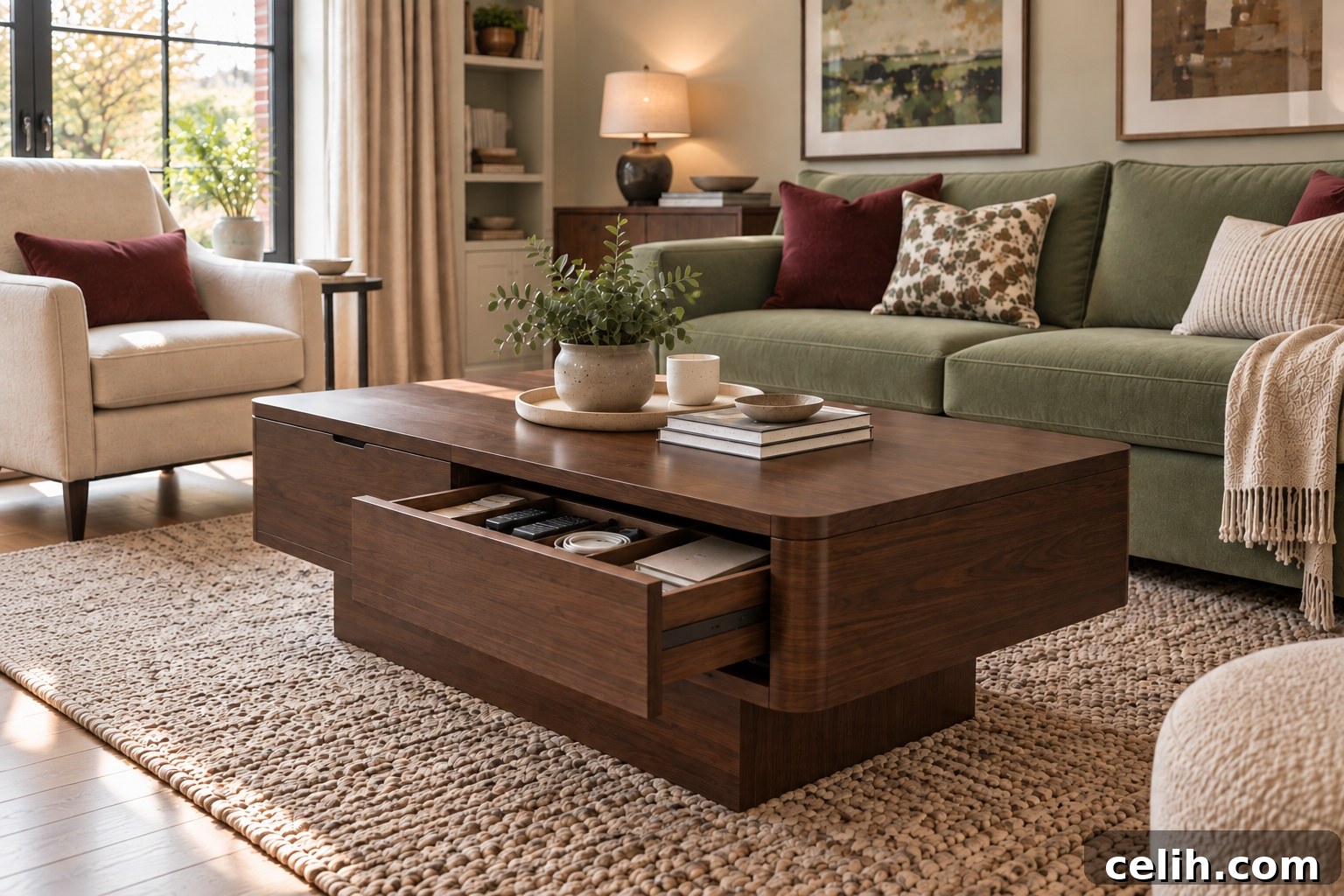
A coffee table ties a living room together and offers a convenient surface for daily use. It holds drinks, books and decorative items, keeping essentials within reach while helping define the seating area. When shopping for coffee tables in Cockburn consider practical details—size, height, shape, material and storage—as these factors determine how well the table integrates with existing furniture and how comfortable the space will feel.
Why the Right Coffee Table Matters
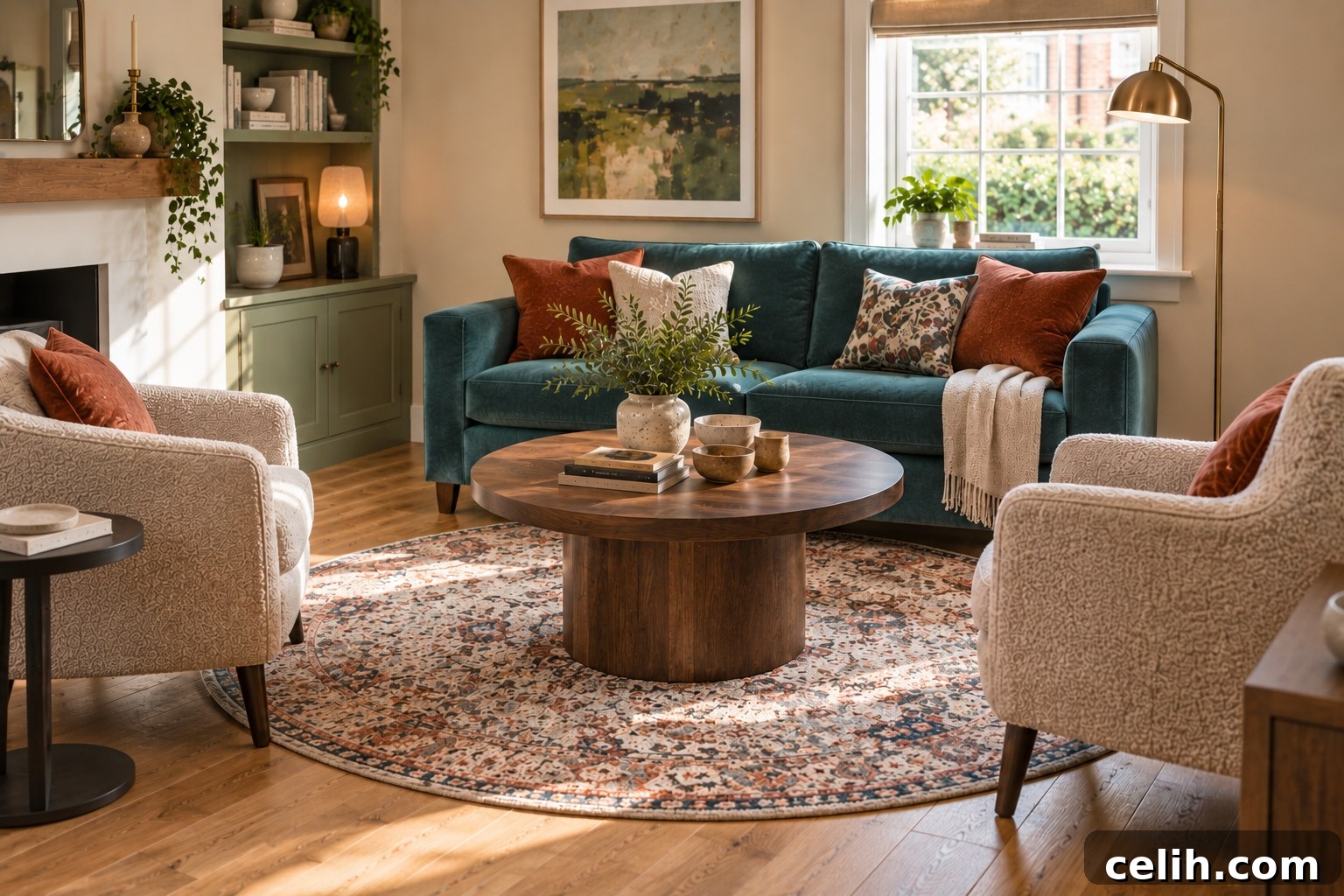
Placed at the centre of the seating area, a coffee table’s proportions have a big visual and functional impact. A table that’s too large can obstruct movement; a table that’s too small can make the seating feel disjointed. The right choice provides an accessible surface without crowding the room, and it helps anchor the layout—especially in open-plan homes where furniture defines zones.
Style is equally important. A table should complement the sofa, flooring and other furnishings so it feels like an intentional part of the scheme. For example, timber adds warmth for relaxed interiors while glass or metal create a lighter, more contemporary impression.
Key Factors to Consider When Selecting a Coffee Table
Before making a purchase, think about how you’ll use the table, how much space you have and how it will relate to surrounding pieces. A visually appealing table may still be the wrong choice if it interferes with circulation or daily routines.
Coffee Table Size and Dimensions
Measure the available floor space first. A helpful guideline is a table length of around two-thirds the sofa’s length—this typically gives the right visual weight without overwhelming the seating. Depth matters too: a wider table suits spacious living rooms, while a narrow design is better for compact layouts. Always allow clear walkways so the room remains comfortable and functional.
Height and Proportion
Height affects comfort and appearance. Ideally the tabletop sits close to the sofa seat height, or slightly lower, so drinks and books are easy to reach. A table that’s too low beside tall seating can look out of proportion, while an overly tall table can interrupt the relaxed feel of the area. Evaluate the sofa, armchairs and nearby furniture together to ensure balanced proportions.
Shape and Room Layout
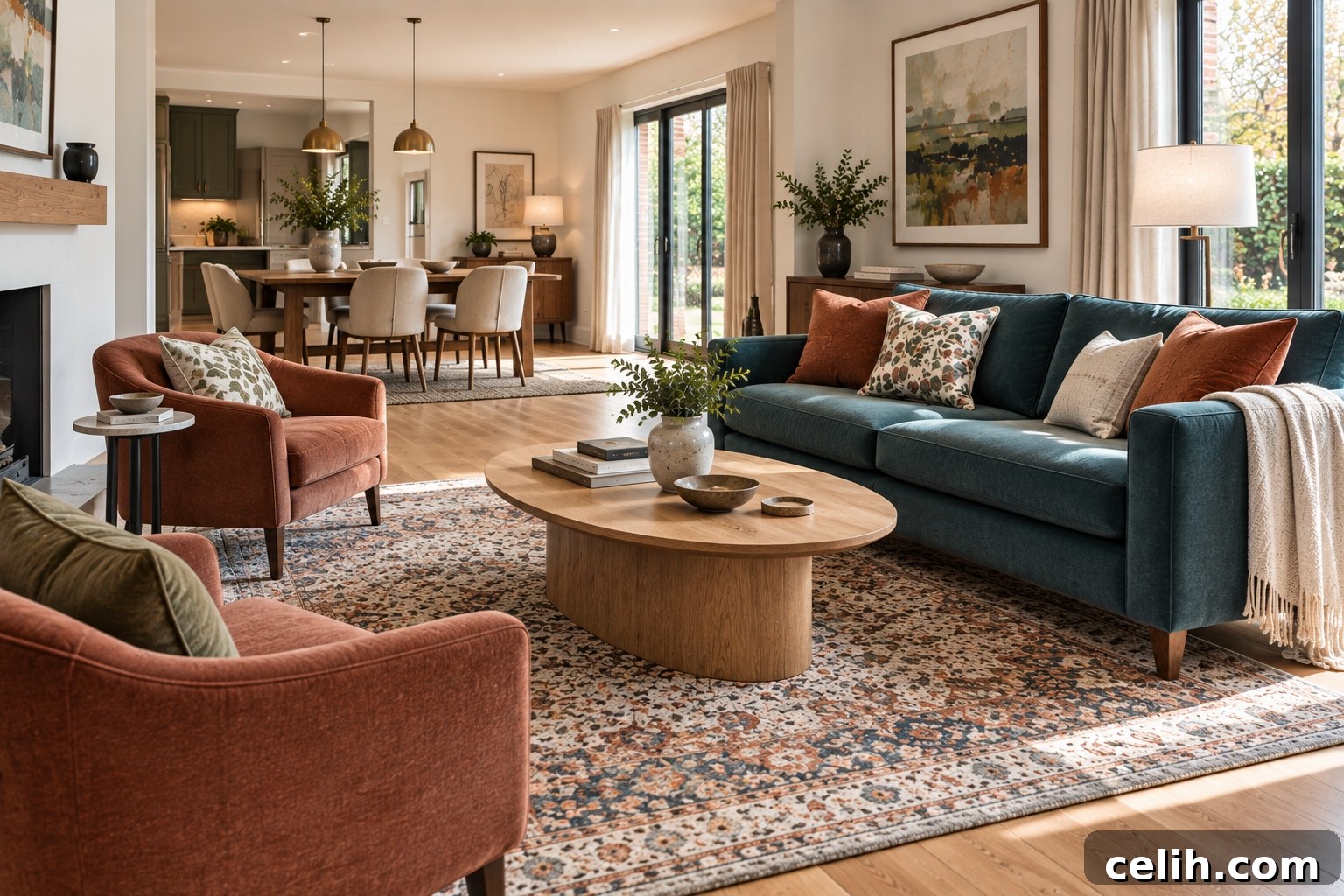
Choose a shape that complements the layout and traffic flow. Rectangular tables pair well with longer sofas and extended seating arrangements. Round and oval tables are excellent where circulation matters; their curved edges reduce the risk of bumping into corners and suit narrow walkways. Square tables work best in balanced seating groups, for example when sofas face one another.
Material and Finish
Material influences durability and style. Solid timber brings warmth and character, glass and metal introduce an airy, modern feel, and composite or lacquered surfaces can be practical for family homes. If you have leather seating, decide whether you want the table to complement that richness with warm wood or introduce contrast through a different texture or finish. Consider maintenance needs—some materials require more care than others.
Functionality and Storage Needs
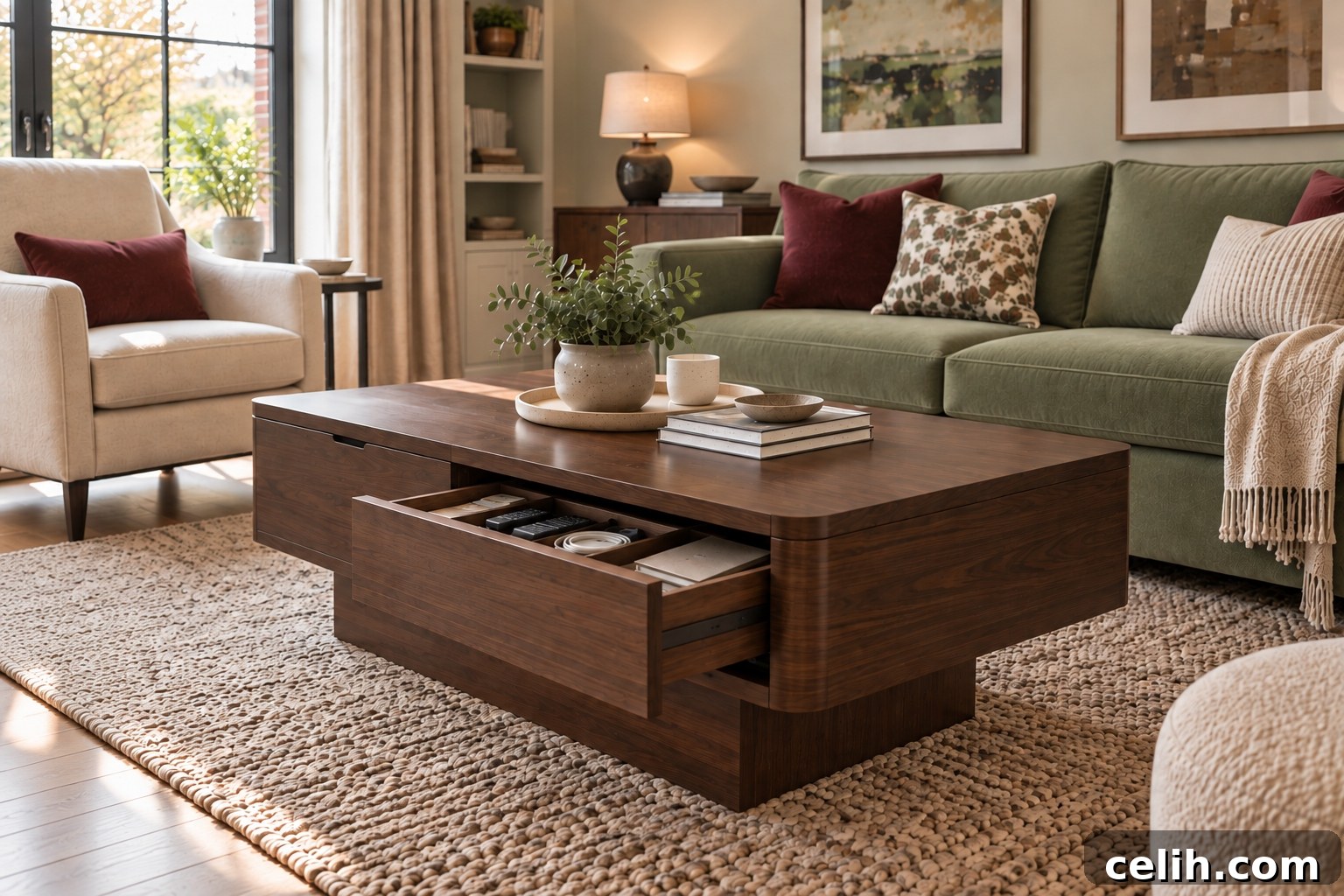
Think about storage and day-to-day use. Open shelving keeps frequently used items within reach, while drawers and cabinets hide clutter. Lift-top tables can double as a workspace, and nested tables offer flexible surfaces when entertaining. If your living room already has sufficient storage, a simple, elegant tabletop might be the best choice; if not, look for designs that add practical storage without compromising style.
Conclusion
Choosing a coffee table involves more than aesthetics. Size, height, shape, material and functionality all affect how a table performs in the living room. Measure the space, evaluate the seating arrangement and prioritise features that match your lifestyle. A well-chosen coffee table will provide a useful surface, support everyday activities and enhance the overall feel of the room.
Frequently Asked Questions
What size coffee table is best for a living room?
The ideal size relates to the sofa and available floor space. Aim for a table proportionate to the seating that leaves clear walkways and maintains balanced visual weight.
How high should a coffee table be compared with a sofa?
A coffee table typically sits at or slightly below the sofa seat height to allow easy reach and comfortable use.
Which coffee table shape works best for different living room layouts?
Rectangular for longer sofas and wide seating; round or oval where movement and circulation are priorities; square for balanced, symmetrical arrangements.
What material is best for a durable coffee table?
Durability depends on use and care. Solid wood is long-lasting with proper maintenance; metal and tempered glass can be sturdy and modern; engineered surfaces are often low-maintenance for busy households.
How much space should be left between a sofa and coffee table?
Leave enough space for comfortable movement and easy access—generally a gap that feels open but keeps the table close enough to the seating to be useful. Adjust according to room size and traffic patterns.