
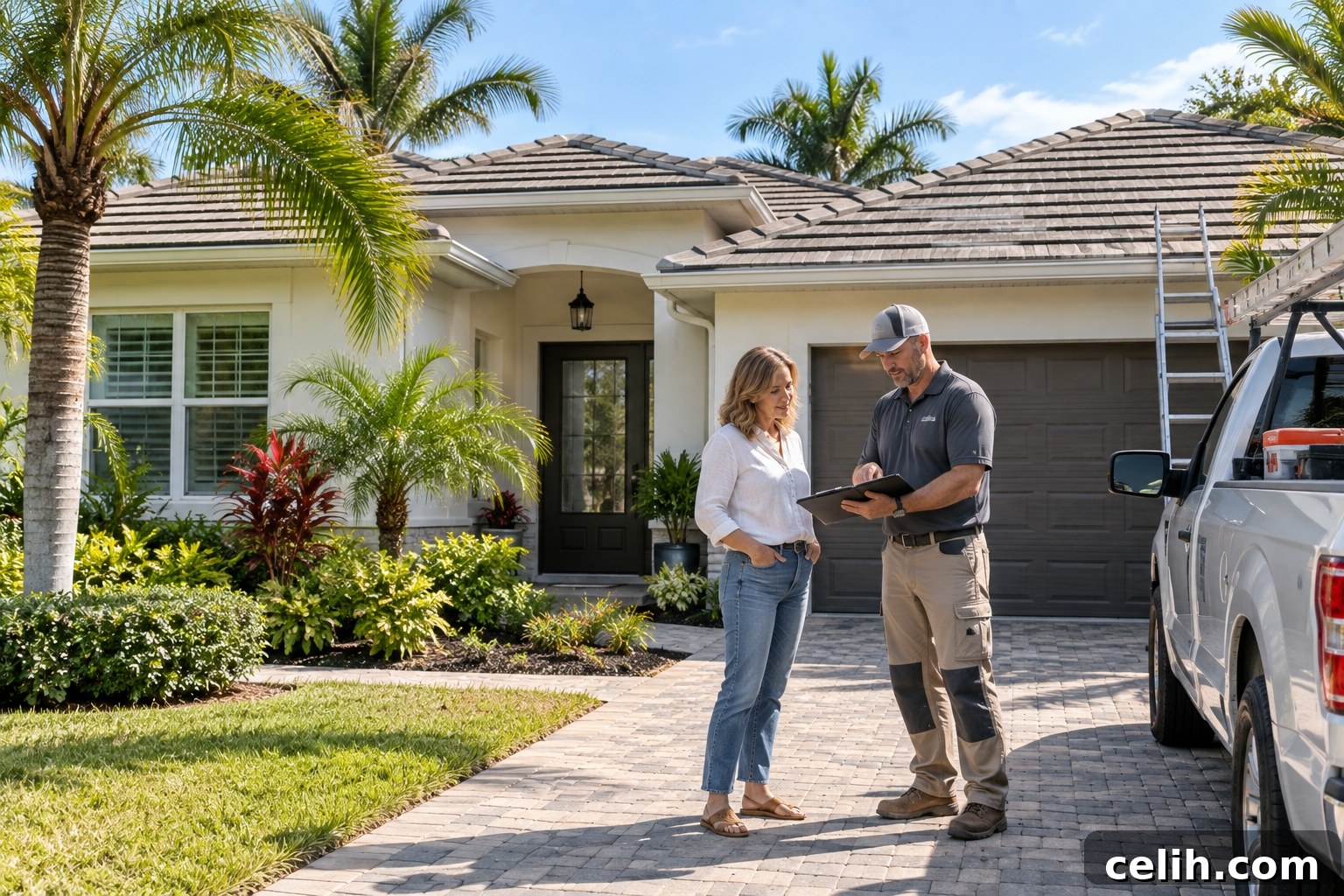
Hiring the wrong roofing contractor in Brevard County can cost you thousands in repairs, failed inspections, and storm damage that insurance won’t cover. Florida’s coastal climate is harsh, and a roof that isn’t installed or repaired to code leaves your home vulnerable every hurricane season.
The five checks below will help you separate qualified contractors from those who vanish after taking a deposit. Take these steps seriously before you sign any agreement.
Table of Contents
1. Verify State Licensing and Insurance Coverage
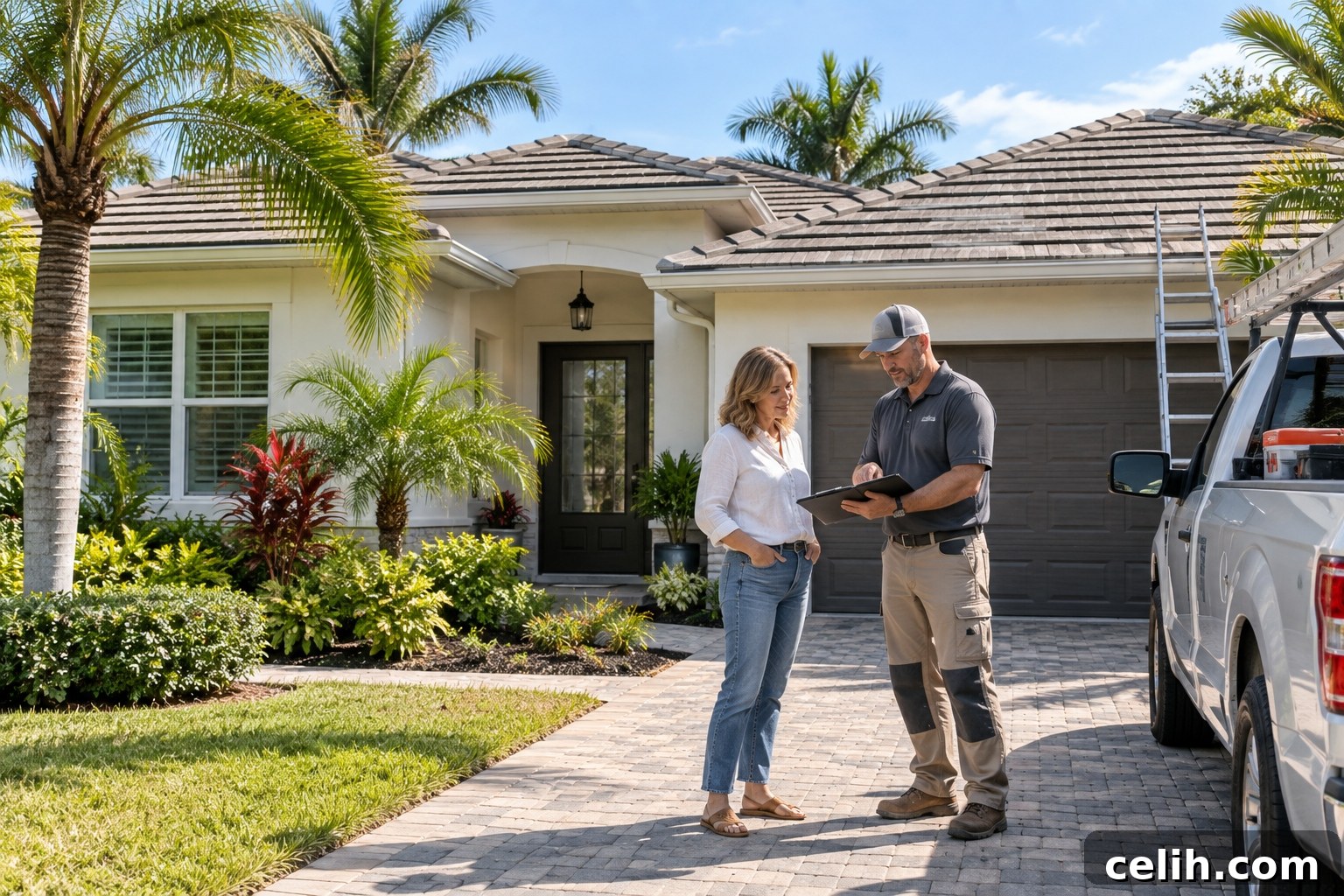
Florida requires roofing contractors to hold a state-certified license before performing residential or commercial work. A reputable Brevard County roofer will provide their license number on request. You can confirm licensure and disciplinary history through the state’s public contractor database. Look for the State Certified Roof Contractor designation and ensure the license is active.
Also confirm two types of insurance: general liability and workers’ compensation. General liability protects your property if the crew damages it, while workers’ compensation prevents you from being financially responsible if a worker is injured on your property. Ask the contractor for current insurance certificates and follow up with the insurer to verify coverage. If a contractor hesitates or refuses to provide these documents, consider it a serious warning sign.
2. Ask About Local Experience and Knowledge of Florida Building Codes
Contractors with long experience in Brevard County understand how the coastal environment affects roofing systems. Salt air accelerates corrosion on metal components, high humidity promotes mold and rot under roofing materials, and wind exposure along the Space Coast demands compliance with Florida Building Code requirements that differ from inland standards.
Ask how many roofs the contractor has completed in Brevard County and whether they’ve worked on homes like yours. Confirm that they handle permits themselves; legitimate contractors typically secure permits because they expect inspections and stand behind their work. A request for you to pull permits can indicate an attempt to avoid oversight or an unlicensed operation.
Local experience matters beyond advertising. It shows the contractor knows the specific code requirements, common inspector concerns, and environmental challenges that affect roofing performance in this region.
3. Get a Written, Itemized Estimate
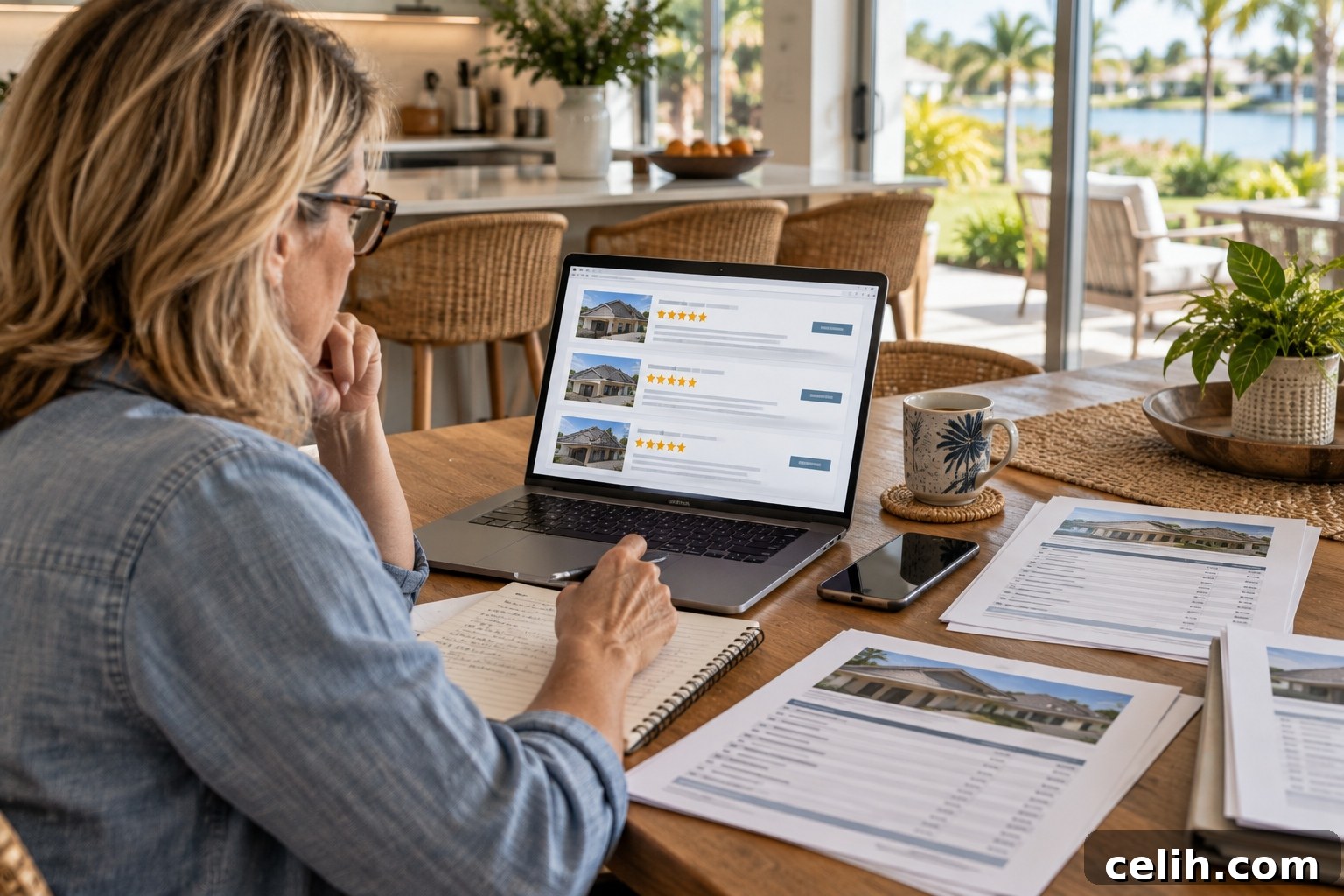
A verbal quote is not enough. Before work begins, obtain a written, itemized estimate that details materials, labor, permit fees, and any potential additional charges. The estimate should specify brands, product lines, and wind-resistance ratings rather than generic terms like “shingles.” This specificity lets you compare bids accurately and protects you against substitutions of inferior materials during installation.
Discuss the payment schedule up front. Reputable contractors often request a deposit, with the balance due at completion or at clearly defined milestones. Be wary of anyone demanding full payment before work starts. Get at least three written estimates and treat any bid that is significantly lower than the others with skepticism—it may reflect shortcuts or omitted costs.
4. Check Reviews and Look Into Their Reputation
Online reviews are useful but incomplete. Read customer comments, not just star ratings, and note how the contractor responds to complaints. A professional, solution-focused response indicates they take issues seriously; defensive or dismissive replies are a red flag.
Request two or three recent local references and call those homeowners. Ask whether the crew arrived on time, whether costs matched the estimate, and how any problems were resolved. Also check for complaints with the Better Business Bureau and the Florida Department of Business and Professional Regulation. A single, resolved complaint is not necessarily disqualifying, but a pattern of unresolved issues should be avoided.
Local word-of-mouth remains powerful. Neighbors, local hardware stores, and community forums often share reliable recommendations and warnings about contractors who do or don’t perform well in Brevard County communities like Melbourne or Palm Bay.
5. Confirm Warranty Terms Before the Job Starts
A completed roof typically carries two warranties: the manufacturer’s warranty for the materials and a workmanship warranty from the contractor. Manufacturer warranties often last decades or a lifetime, but they can be void if materials aren’t installed by a certified contractor according to the manufacturer’s requirements.
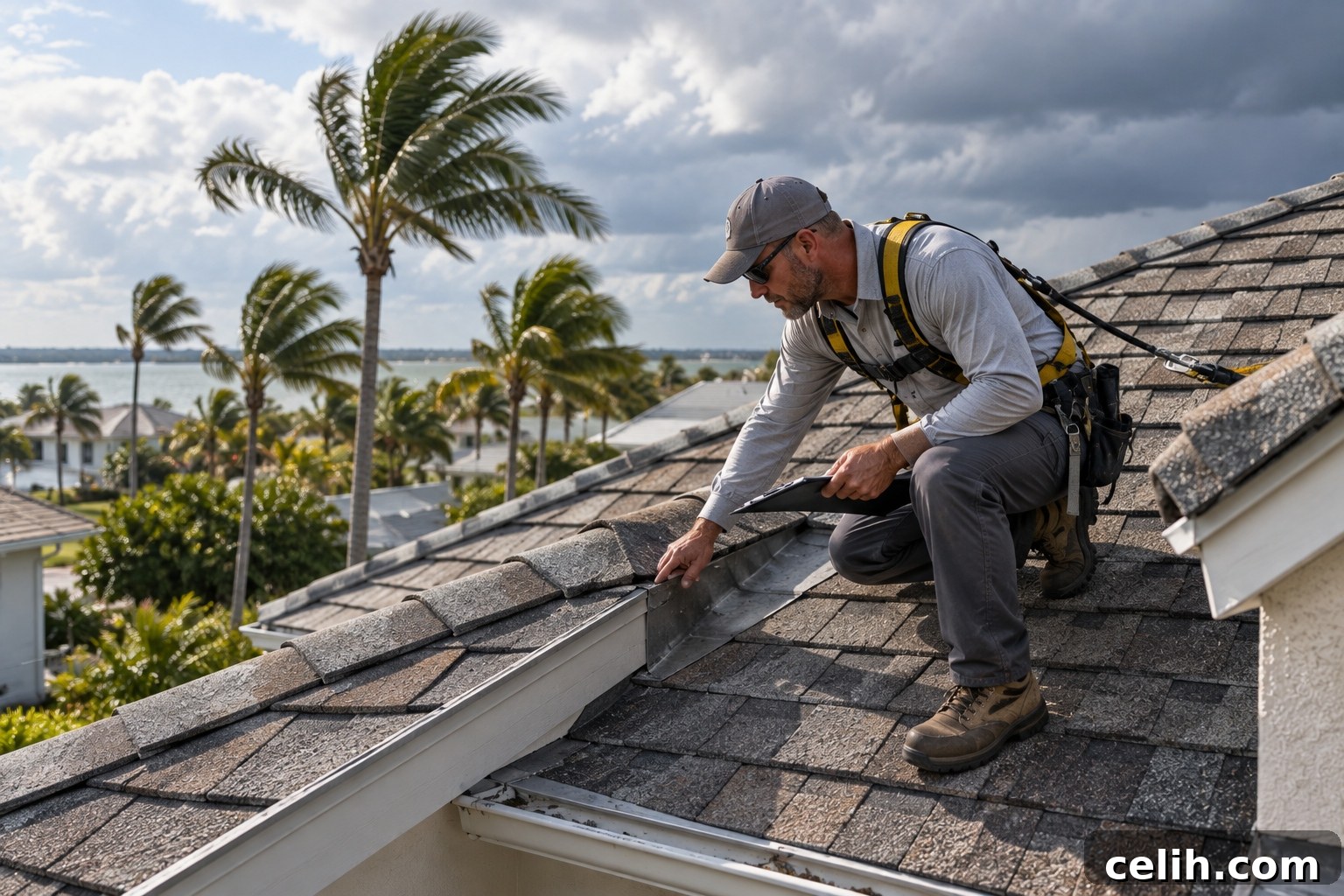
Workmanship warranties cover installation quality and are where many post-installation problems arise—flashing that pulls loose, valleys that leak, or improperly set fasteners. Ask the contractor how long their workmanship warranty lasts, exactly what it covers, and the process for filing a claim. Insist that warranty terms be included in the written contract. If a contractor cannot clearly explain or provide a workmanship warranty, look elsewhere.
Conclusion
Choosing the right roofing contractor in Brevard County deserves time and attention, especially with a hurricane season that tests every roof. Verify licensing and insurance, confirm local experience and permitting practices, compare detailed written estimates, check reputation and references, and get clear warranty terms in writing. Following these five checks will help you make a confident, well-protected decision and reduce the risk of costly problems down the road.