

Whether you’re looking to capitalize on appreciating property values, planning a relocation, or simply seeking a fresh start, today’s real estate landscape often favors sellers. With house prices experiencing significant growth in many regions, now can be an opportune moment to enter the market. However, even in a thriving seller’s market, effective preparation can dramatically influence how quickly your home sells and for what price. This ultimate guide offers actionable strategies to prepare your property, ensuring it stands out, attracts serious buyers, and achieves its maximum market potential. Get ready to transform your home into an irresistible prospect, maximizing its kerb appeal and securing a swift, profitable sale.
Why Thorough Home Preparation is Crucial for Selling
Investing time and effort into preparing your home for sale might seem counterintuitive, especially when you don’t intend to live there long-term. However, the benefits are undeniable and often translate directly into financial gains and a smoother selling process. A meticulously presented property not only garners a higher initial valuation, which is the foundational step in maximizing your profits, but also captures buyer interest more effectively.
Understanding your property’s true market worth is paramount. As property experts consistently highlight, “An overinflated price can frustrate that all-important first impact when the property is launched to market, depressing its overall saleability which can potentially leave your property on the shelf for months without a sale.” This cautionary advice underscores the importance of a realistic, yet optimized, asking price. Moreover, a property that lingers on the market often signals to buyers that there might be underlying issues or that the price is too high, inevitably leading to price reductions. By making your home as desirable as possible from day one, you reduce the risk of it becoming stale on listings, ensuring a quicker sale at or above your asking price. The difference between a home that sells instantly and one that languishes for months often boils down to its presentation and readiness.

Boosting Kerb Appeal: Mastering Exterior Maintenance
First impressions are not just important; they are often decisive when a potential buyer approaches your property. The exterior of your home, often referred to as its “kerb appeal,” sets the stage for what buyers expect to find inside. It’s the initial emotional connection, or lack thereof, that can influence their entire viewing experience. Therefore, focusing on what your home looks like from the outside is just as crucial as perfecting the interiors.
Start by meticulously tending to your front garden. This means neat lawns, weed-free flowerbeds, trimmed hedges, and healthy plants. Repair any chipping paint on the front door, window sills, or fascia boards. Ensure all exterior fixtures, such as guttering, downpipes, and outdoor lighting, are securely fixed, clean, and in good working order. A wobbly gutter or a broken light can immediately suggest neglect. If your home’s exterior appears dull or dated, consider a full repaint or, at the very least, a professional power-washing to remove years of accumulated dirt, grime, and mildew. These seemingly minor investments can dramatically transform the perceived value and attractiveness of your property, inviting buyers in rather than deterring them. A sparkling exterior communicates pride of ownership and hints at a well-maintained interior.
Be Prepared: Answering Potential Buyer Questions Confidently
Before your property even hits the market, arm yourself with comprehensive answers to any questions potential buyers might pose. Buyers are looking for a secure investment, free from costly surprises. Their inquiries will often delve into the structural integrity, ongoing maintenance, and environmental factors surrounding the property. Anticipating these questions not only demonstrates your transparency but also instills confidence in prospective purchasers.
Common concerns often include information regarding flood risks in the area, past issues with subsidence, or details about the property’s energy performance certificate (EPC). Beyond these, be ready to discuss utility costs, council tax bands, local amenities like schools, transport links, and neighborhood safety. Having documentation ready – such as service records for boilers, electrical certificates, roof repair warranties, or recent survey reports – can swiftly address concerns. Transparency builds trust, and a well-informed seller helps buyers feel assured they are making a sound decision, minimizing hesitation and speeding up the offer process.
The Power of Perfection: Fixing Any Damage and Addressing Maintenance
One of the most critical steps before listing your house is to tackle all routine maintenance and repair any visible damage. It’s astonishing how small, seemingly insignificant flaws can deter a prospective buyer or, at best, lead them to mentally discount their offer. Buyers often operate on the principle that if they can see minor issues, there might be larger, more expensive hidden problems they haven’t yet discovered.
Walk through your home with a critical eye, perhaps even getting a friend’s perspective. Look for dripping taps, loose door handles, sticky windows, peeling paint, cracked tiles, or scuffed walls. Replace burnt-out light bulbs, mend broken fixtures, and repair any damaged flooring. These are often the “niggling jobs” we procrastinate on, but they collectively impact a property’s overall presentation. Buyers instinctively reduce their perceived offer if they see a home that requires work, factoring in the cost and inconvenience of repairs. By proactively addressing these issues, you not only eliminate reasons for buyers to quibble over price but also present a move-in-ready home, which is highly appealing and commands a better price. Consider it an investment that will almost certainly yield a significant return.
Defining Spaces: Giving Each Room a Clear Purpose and Decluttering
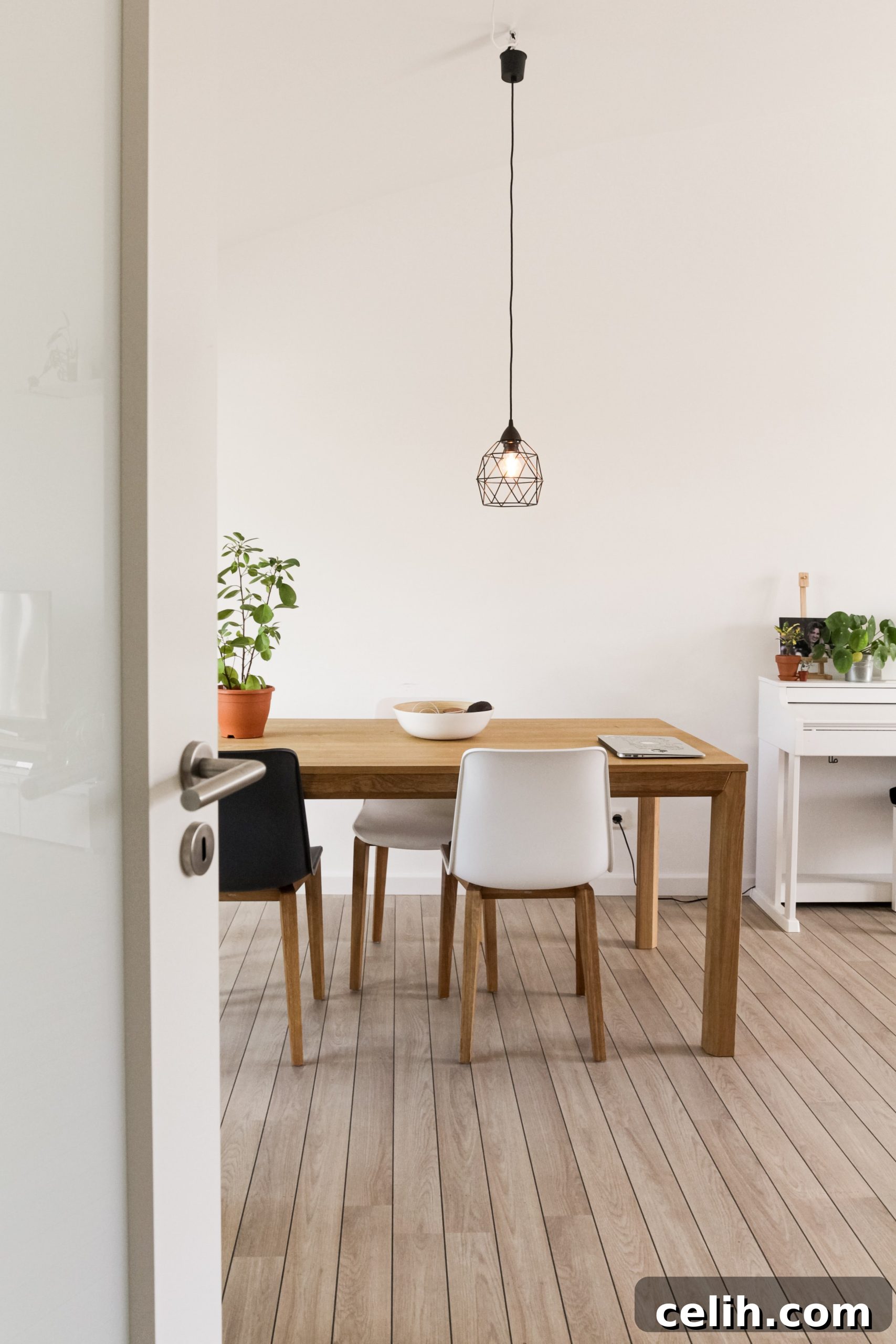
To truly help a potential buyer visualize themselves living in your home, each area of the property must have a distinct, appealing purpose. Rooms that appear cluttered, disorganized, or filled with mismatched furniture can create a sense of chaos and impede the natural flow of the space. This makes it difficult for buyers to imagine their own lives unfolding within your walls.
Begin with a comprehensive decluttering process. Remove excess furniture, personal items, and anything that isn’t essential to the room’s function. The goal is to create an illusion of spaciousness and order. When you’re decluttering your home ready for selling, also focus on organizing. Showcase ample storage solutions by tidying cupboards and wardrobes. Ensure that each room clearly communicates its intended use – a bedroom should feel like a serene sleeping space, a dining room should invite gatherings, and an office should project productivity. Avoid having areas serve “double duty” in a messy way, for example, a dining table piled with mail. By defining each space and ensuring it feels functional and uncluttered, you enable buyers to easily project their own lifestyle into the property, fostering an emotional connection that drives offers.
The Right Price Matters: Getting Multiple Valuations and Choosing Your Agent Wisely
Setting the correct asking price is arguably the most critical factor in selling your home quickly and profitably. While it’s tempting to go with the highest valuation you receive, it’s a common mistake that can lead to your property stagnating on the market. It’s imperative to speak to multiple estate agencies and obtain several valuations before officially listing your home. This approach allows you to gauge whether the prices quoted are genuinely aligned with current market conditions and comparable properties in your area.
An agency might offer an inflated price to win your business, but if your property is priced significantly higher than similar homes nearby, it will deter potential buyers and likely prolong the selling process. Do your thorough research not only on the valuation but also on the agency itself. Look for agents with a strong track record of sales in your specific neighborhood, robust marketing strategies, excellent communication skills, and a transparent commission structure. Ask about their comparative market analysis (CMA) process and how they arrived at their suggested price. Going with the right business at the right price ensures your home is competitively positioned, attracts serious interest, and maximizes your chances of a successful and timely sale.
Creating the Dream: Depersonalise and Professionally Stage Your Home

The ultimate goal of home preparation is to make it as effortless as possible for buyers to envision themselves living in your property, fostering that coveted “love at first sight” feeling. This is incredibly challenging if your home is filled with strong elements of your personal style, character, and memories. The solution lies in depersonalization and strategic home staging.
Depersonalizing involves removing family photos, highly personal artwork, unique collections, and anything that strongly reflects your individual taste. The aim is to create a neutral, inviting canvas onto which viewers can project their own furniture, furnishings, and lifestyle. Think of it as preparing a show home. Similarly, staging the property makes it more visually appealing. This can range from simple touches like placing fresh flowers on a dining table, arranging fluffy towels in bathrooms, or setting up attractive garden furniture on the patio. These seemingly insignificant, neutral elements create an enticing illusion of a well-cared-for home and an aspirational lifestyle. Good staging highlights the property’s best features, defines spaces, and creates a warm, welcoming atmosphere. It subtly helps someone visualize their future in the home, often leading to stronger, quicker offers. Professional photography of a well-staged home is also invaluable, as most buyers start their search online.
Additional Tips for a Seamless Sale
- Deep Cleaning is Non-Negotiable: Beyond regular tidying, a professional deep clean can make your home sparkle. Pay attention to often-overlooked areas like grout, skirting boards, windows, and light fixtures. A pristine home communicates care and attention to detail.
- Maximize Light: Open curtains and blinds to let in as much natural light as possible. Turn on all lights for viewings, even during the day, to create a bright and airy atmosphere. Good lighting makes rooms feel larger and more inviting.
- Eliminate Odors: Unpleasant smells – from pets, cooking, or damp – can be an instant turn-off. Ensure your home smells fresh and neutral. Air it out regularly, use subtle diffusers, and avoid strong artificial air fresheners.
- Tend to Your Garden/Yard: Beyond the front kerb appeal, ensure the back garden is also neat, tidy, and inviting. Trim hedges, mow the lawn, clear pathways, and perhaps add a few potted plants to create an attractive outdoor living space.
- Consider Professional Photography: High-quality, professional photos are paramount in today’s digital age. They are often the first interaction buyers have with your home, making a significant impact on whether they decide to view it in person.
- Gather Essential Documents: Proactively gather all legal and property-related documents, such as planning permissions, building regulation certificates, warranties for new installations, and service histories. This preparedness can significantly expedite the conveyancing process once an offer is accepted.
- Control Temperatures: Ensure your home is at a comfortable temperature for viewings, neither too hot nor too cold. This contributes to a positive and welcoming atmosphere.
Moving home is undoubtedly a significant undertaking, often accompanied by various expenses. While it’s natural to want to minimize outgoings when putting your property on the market, certain investments of time and money are undeniably worthwhile. From diligently carrying out those long-deferred DIY tasks to meticulously preparing answers for potential buyer inquiries, and ensuring your property remains clutter-free and immaculately presented, these strategies collectively work to make your home as appealing as possible. By following this comprehensive guide, you not only increase your chances of attracting strong offers but also pave the way for a quicker, more profitable, and ultimately smoother sale of your cherished home.