
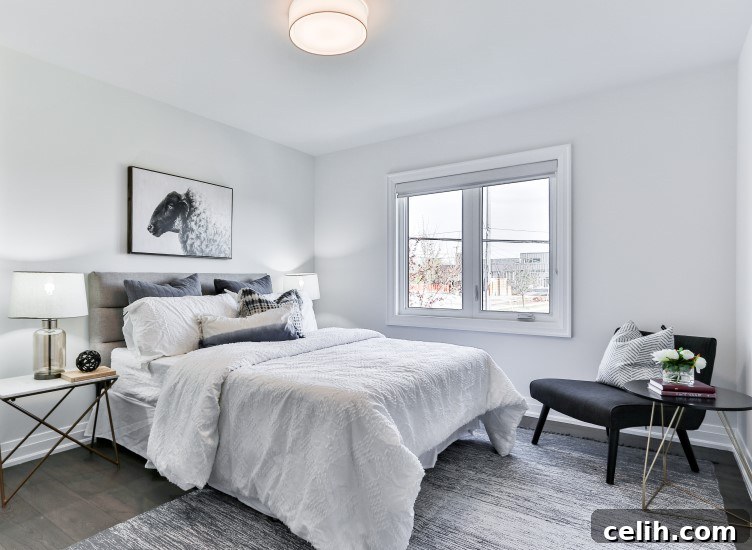
In today’s fast-paced world, many of us have found ourselves spending more time within the confines of our homes. This shift has often led to one of two distinct scenarios: either your living space has undergone a remarkable transformation into a pristine, perfectly organized sanctuary, adorned with new paint and clever DIY solutions, or you find yourself navigating a veritable sea of accumulated belongings, with clutter seemingly creeping into every corner. The latter is a common challenge, especially when sharing your home with more family members than usual, as everyone strives to eat, work, and live within the same dynamic environment.
It’s a familiar cycle: you wake up with renewed determination, brimming with zeal to conquer the chaos and bring order to your surroundings, only to find the clutter creeping back within a few days. While a significant “big push” to tidy up can offer temporary relief, the real trick – and arguably the most challenging part – is maintaining that newfound order in the long term. This comprehensive guide is designed to equip you with actionable tips and proven strategies to not only get your home organized but also to sustain that level of tidiness, transforming your living space into a haven of calm and productivity.
Mastering Home Organization: Your Ultimate Guide to Decluttering and Staying Tidy for Good
Set Realistic Expectations for Your Living Space
One of the most crucial steps in achieving a perpetually tidy home is to embrace realism. If your household includes four energetic children under the age of five, alongside a lively collection of rescue animals, it’s highly improbable that your home will ever resemble a pristine show house. And that’s perfectly okay! Instead of striving for an unattainable ideal, grab a pen and paper and embark on a mindful walk through your home. Identify the specific areas or recurring types of clutter that genuinely irritate you or impede your daily routines.
For instance, an untidy hallway can be a significant source of frustration, often serving as the chaotic gateway to the rest of your home. If this resonates with you, dedicate extra attention to transforming this key transition zone. Install sturdy pegs or a stylish coat rack for outerwear, introduce a dedicated shoe storage unit to keep footwear neatly contained, and add a practical yet attractive hall table adorned with decorative bowls or trays. These can serve as designated catch-all spots for everyday essentials like car keys, wallets, and pocket clutter, preventing them from scattering across surfaces and creating immediate visual calm.
Foster Shared Responsibility: Get Everyone Involved
Trying to maintain order single-handedly can often feel like an impossible task, akin to King Canute attempting to command the tides. If you’re the sole individual making an effort to combat the relentless influx of clutter, burnout is inevitable. Effective home organization thrives on collective effort. Initiate a conversation with everyone sharing your space – family members, housemates – and collectively decide on a clear set of non-negotiable tidiness standards, particularly for communal areas.
Defining Communal Area Standards
For example, agree that living rooms, kitchens, and bathrooms must be left clean and tidy after use. This might mean dishes are immediately loaded into the dishwasher, countertops are wiped down, and personal items are removed from shared surfaces. While individual bedrooms might offer more flexibility, establishing baseline expectations for shared zones fosters respect for the collective living environment and significantly reduces the burden on any one person. Empowering children with age-appropriate tidying tasks can also instill valuable habits from a young age, making home organization a family affair rather than a solitary struggle.
Transform Your Habits: The Power of Proactive Tidying
Clutter has a sneaky way of accumulating, often reaching a critical mass where tackling it feels like an insurmountable, monumental chore. The key to long-term tidiness lies in proactively changing your daily habits. Begin by ensuring that each room in your home is equipped with strategic, easily accessible storage options. This could range from decorative bowls on coffee tables for remotes, dedicated shelves for books, versatile storage stools that double as seating, or well-organized cupboards and drawers for less frequently used items.
Implementing the “Home for Everything” Principle
Once storage is in place, the next step is to consciously train yourself to put each object back in its designated home immediately after you’ve finished using it. This might sound overly simplistic, but its impact is profound. Consider a magazine you’ve just read: instead of leaving it on the coffee table, take a moment to decide if you’ll ever refer to it again. If not, place it in a recycling bin, a charity pile, or offer it to a friend. The few seconds it takes to make this decision and act on it are infinitely quicker and less draining than spending hours sifting through years’ worth of old magazines and papers, most of which will have lost their relevance. This “home for everything” principle minimizes surface clutter and keeps items from becoming permanent fixtures where they don’t belong.
Introduce the “Odds and Ends” Box: A Decluttering Catalyst
Many of us have a collection of small, miscellaneous items scattered across surfaces throughout our homes – a desk overflowing with pens, a kitchen worktop covered with non-kitchen detritus, or bedside tables laden with unidentifiable objects. These items often become so familiar that we cease to even notice them, contributing to a general sense of disarray. To address this, implement the “Odds and Ends” box strategy.
How to Use Your Decluttering Box
Find a sturdy, reasonably sized cardboard box or an attractive storage bin. Systematically go through your home, room by room, and place any item that doesn’t have a clear, designated “home” into this box. Don’t overthink it; if it’s currently homeless, into the box it goes. The magic begins after a few weeks: if you find yourself repeatedly retrieving a particular item from the box, that item clearly serves a purpose and deserves a proper home somewhere else in your house. Take the time to find a suitable storage spot for it. Conversely, any item that remains untouched in the “Odds and Ends” box for several weeks or even months likely isn’t serving any meaningful purpose. At this point, you can confidently dispose of it, donate it to charity, or offer it to someone who might genuinely use it. This method acts as a powerful catalyst for identifying truly essential items versus forgotten clutter.
Practice Mindful Consumption: Be Organized About New Purchases
One of the most effective ways to prevent clutter from accumulating is to be intentional and organized about every new purchase you bring into your home. Before making a new acquisition, pause and consider where it will realistically go. Do you have an existing space for it? Will you need to reorganize or declutter something else to accommodate it? This simple forethought can dramatically reduce impulse buys and ensure that every new item genuinely enhances your living space rather than adding to the mess.
Implementing the “One In, One Out” Rule
A highly effective strategy is the “one in, one out” rule, particularly for categories prone to accumulation like clothing, books, or kitchen gadgets. For example, if you buy new clothes, try them on as soon as possible. Immediately set aside anything that doesn’t fit, doesn’t suit you, or simply isn’t needed, for prompt return or donation. If you’re replacing an old item – say, a new black polo neck shirt to supersede a worn-out one – remove the old item from your wardrobe and place it directly into a charity box or the bin without delay. This prevents old items from lingering and ensures that your possessions remain curated and purposeful. This mindful approach to purchasing is not just about tidiness; it’s also about fostering a more sustainable lifestyle and reducing unnecessary consumption.
Embrace Imperfection: Don’t Aim for a Museum Home
Our final, and perhaps most liberating, piece of advice is to let go of the pursuit of perfection. Most of us lead incredibly busy lives, juggling careers, family responsibilities, and personal commitments. Our homes are meant for living, for creating memories, for comfort, and for relaxation – not for being displayed like sterile museum exhibits. The goal of home organization is not to achieve an immaculate, unlived-in aesthetic, but rather to find a realistic and attainable routine that genuinely works for you and your household.
Finding Your Sustainable Tidiness Routine
Strive for a result that leaves you feeling happy, calm, and in control on a daily basis, even if there’s an occasional stray toy or a stack of papers waiting to be filed. Focus on progress, not perfection. Develop a consistent, manageable routine – perhaps a 15-minute daily tidy-up, a weekly deep clean of specific areas, or a monthly decluttering session for a particular category of items. When your home feels organized enough to support your lifestyle without causing undue stress or constant effort, you’ve found your sweet spot. This approach ensures that your efforts in home organization are sustainable, leading to lasting peace and a truly lived-in, loved space.
By integrating these practical tips into your daily life, you can transform your home from a source of stress into a sanctuary of order and tranquility. Remember, sustainable tidiness is a journey of small, consistent actions, not a one-time destination.
Main image by Sidekix Media on Unsplash